
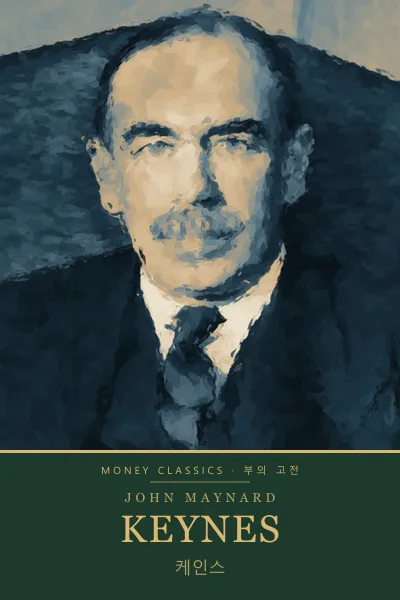
The Economic Consequences of the Peace: The World Before 1914
평화의 경제적 결과: 1914년 이전의 세계
John Maynard Keynes (1883–1946)
The Story
Tap a word to translate it. Select text to highlight it or add it to your study plan.
John Maynard Keynes was a brilliant young British economist who went to the Paris Peace Conference in 1919 as an adviser to the British Treasury.He believed the peace treaty would ruin Germany and harm all of Europe, so he resigned and wrote this angry, brilliant book in a few months.It made him famous around the world, and he later became one of the most influential economists of the twentieth century.
“What an extraordinary episode in the economic progress of humanity that age was which came to an end in August 1914!Most people worked hard and lived simply, but anyone of more than average ability could rise into the middle and upper classes.For them, life offered comforts beyond the reach of the richest kings of earlier ages.
A Londoner could order by telephone, sipping his morning tea in bed, the products of the whole earth, and expect them soon on his doorstep.By the same means he could invest his money in businesses in any corner of the world.He could travel to any country without a passport, carrying coins of gold, and he would be greatly surprised at the least interference.
Most important of all, he believed that this state of affairs was normal, certain and permanent.War, empire and national rivalries were, for him, little more than the amusements of his daily newspaper.”Then, in August 1914, the First World War began, and that world was gone.
Full translationTry the story first — open this only to check your understanding.
존 메이너드 케인스는 1919년 파리 강화 회의에 영국 재무부 고문으로 참석한 뛰어난 젊은 경제학자였어요. 케인스는 강화 조약이 독일을 망치고 유럽 전체에 해를 끼칠 것이라 보고 자리에서 물러나, 몇 달 만에 이 분노에 찬 뛰어난 책을 썼어요. 이 책으로 케인스는 세계적으로 유명해졌고, 훗날 20세기에 가장 큰 영향을 끼친 경제학자 가운데 한 사람이 되었어요.
"1914년 8월에 끝난 그 시대는 인류의 경제 발전에서 얼마나 놀라운 한 시기였던가요! 대부분의 사람은 열심히 일하며 검소하게 살았지만, 보통보다 조금이라도 뛰어난 사람은 중산층과 상류층으로 올라갈 수 있었습니다. 그런 사람들에게 삶은 옛 시대의 가장 부유한 왕들도 누리지 못한 편리함을 주었습니다.
런던 사람은 침대에서 아침 차를 마시며 전화로 온 세계의 물건을 주문하고, 곧 문 앞에 배달되리라 기대할 수 있었습니다. 같은 방법으로 세계 어느 구석의 사업에든 돈을 투자할 수 있었습니다. 여권 없이 금화를 지니고 어느 나라로든 여행할 수 있었고, 조금이라도 방해를 받으면 크게 놀랐을 것입니다.
무엇보다 중요한 것은, 그 런던 사람이 이런 상황을 정상적이고 확실하며 영원한 것으로 여겼다는 점입니다. 전쟁, 제국주의, 민족 간의 경쟁은 그 사람에게 일간 신문 속 오락거리에 지나지 않았습니다." 그러다 1914년 8월 제1차 세계대전이 일어났고, 그 세계는 사라져 버렸어요.
What this means for your money
케인스는 인터넷이 생기기 훨씬 전, 세계화의 첫 시대를 묘사하고 있어요. 침대에서 전화로 물건을 주문하는 케인스의 런던 사람은 요즘 휴대폰으로 온라인 쇼핑을 하는 우리와 무척 닮았어요. 경고는 마지막 줄에 있어요. 사람들은 자기들의 편안한 세계가 영원하리라 믿었지만, 그 세계는 무너졌어요. 내 돈 관리에서 보면, 위험을 나누고 아무도 예상하지 못한 충격에 대비해 저축해 두라는 이야기이기도 해요.
Original text
Now read the original
You just read an easy retelling. Here is the same passage exactly as the author wrote it — unabridged, split into short readings.
Chapter II, Europe before the War · 836 words · 2 short readings
Read the originalComprehension Check
1. Why did Keynes go to Paris in 1919?
2. What did Keynes believe the peace treaty would do?
3. What could a Londoner do while sipping his morning tea in bed?
4. What did a traveller need to cross borders before 1914, according to Keynes?
5. What was the Londoner's biggest mistake?
Vocabulary
noun
treaty
조약
The two countries signed a peace treaty.
두 나라는 평화 조약에 서명했어요.
Your Summary
In 1–2 sentences, describe the Londoner's world before 1914 and the mistake he made about it.
Source: Adapted from chapter II, "Europe before the War", of John Maynard Keynes's "The Economic Consequences of the Peace" (1919), written in English and in the public domain (Project Gutenberg #15776). This simplified version, the explainer and the Korean translation are original text written for SeoJae Story.
In this book
About this book →The Economic Consequences of the Peace · 0 of 3 read
Up next · Part 2 of 3
The Cake That Was Never Eaten
먹지 않는 케이크 · 2 min read
Read the next partRead this with your book club
Share this chapter with your book club and discuss it together.