
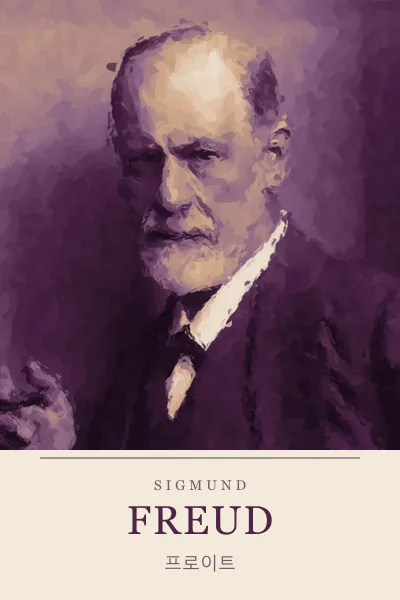
A General Introduction to Psychoanalysis: Dreams as Wishes
정신분석 입문: 소원으로서의 꿈
Sigmund Freud (1856–1939)
The Story
Tap a word to translate it. Select text to highlight it or add it to your study plan.
Freud believed that dreams were the ‘royal road’ to the hidden mind, but adult dreams are strange and confusing, so he began with the simplest ones: the dreams of small children.
“A boy of twenty-two months had to give a basket of cherries as a birthday present; he did it very unwillingly, although he was promised some of them himself.The next morning he told his dream: ‘Hermann eat all cherries.’A little girl of three made her first trip across a lake, and when the boat landed, she did not want to get off and cried bitterly; the trip had seemed far too short.The next morning she said, ‘Last night I rode on the lake.’A boy of five, taken on a walk in the mountains, kept hoping to see a famous mountain hut, grew silent and sad when he did not, and the next morning said happily, ‘Last night I dreamed we were at the hut.’
These dreams are not meaningless; they are clear, understandable acts of the mind.Each is a reaction to something that happened the day before and left behind a regret, a longing or a wish that was not fulfilled.The dream fulfils this wish directly and openly: the wish says, ‘I should like to ride on the lake,’ and the dream says, ‘I ride on the lake.’Adults have dreams like these too, when their bodies are in need: hungry explorers trapped in the Antarctic ice dreamed night after night of great dinners.
This also shows us what dreams are for.An unfulfilled wish would wake the sleeper, so the dream fulfils it, and the sleeper sleeps on.The dream is not the disturber of sleep, as people say, but the guardian of sleep, like a night watchman who makes a little noise himself while he drives away the troublemakers who would wake us.”
Full translationTry the story first — open this only to check your understanding.
프로이트는 꿈이 숨은 마음으로 가는 '왕도'라고 믿었어요. 하지만 어른의 꿈은 이상하고 헷갈리기 때문에, 가장 단순한 꿈, 곧 어린아이의 꿈에서부터 시작했어요.
"생후 스물두 달 된 남자아이가 생일 선물로 체리 한 바구니를 건네야 했다. 몇 개는 먹게 해 주겠다는 약속을 받았는데도, 아이는 무척 내키지 않아 하며 건넸다. 다음 날 아침 아이는 꿈 이야기를 했다. '헤르만이 체리 다 먹었어.' 세 살 난 여자아이가 처음으로 배를 타고 호수를 건넜는데, 배가 닿자 내리지 않으려고 서럽게 울었다. 배를 탄 시간이 너무 짧게 느껴졌던 것이다. 다음 날 아침 아이는 말했다. '어젯밤에 호수에서 배 탔어.' 산으로 나들이를 간 다섯 살 남자아이는 유명한 산장을 보기를 내내 바랐지만 보지 못하자 말없이 시무룩해졌다. 그리고 다음 날 아침 기쁘게 말했다. '어젯밤에 우리가 산장에 있는 꿈을 꿨어.'
이런 꿈은 의미 없는 것이 아니다. 분명하고 이해할 수 있는 정신의 활동이다. 어느 꿈이든 전날 일어난 일, 그래서 아쉬움이나 그리움이나 이루지 못한 바람을 남긴 일에 대한 반응이다. 꿈은 그 바람을 곧바로, 숨김없이 이루어 준다. 바람이 '호수에서 배를 타고 싶어'라고 말하면, 꿈은 '나는 호수에서 배를 탄다'라고 말한다. 어른도 몸이 무언가를 필요로 할 때는 이런 꿈을 꾼다. 남극의 얼음에 갇힌 굶주린 탐험가들은 밤마다 성대한 만찬 꿈을 꾸었다.
이것은 꿈이 무엇을 위해 있는지도 보여 준다. 이루지 못한 바람은 잠든 사람을 깨울 것이다. 그래서 꿈이 그 바람을 이루어 주고, 잠든 사람은 계속 잔다. 꿈은 사람들의 말처럼 잠을 방해하는 것이 아니라 잠을 지키는 파수꾼이다. 우리를 깨울 소란꾼들을 쫓아내면서 저도 조금은 소리를 내는 야경꾼과 같다."
In plain words
프로이트의 출발점은 간단해요. 아이들은 그날 바랐지만 얻지 못한 것을 꿈에서 봐요. 여기서 프로이트는 모든 꿈이 소원을 이루는 것이라는 유명한 이론을 세웠어요. 다만 어른의 꿈에서는 그 소원이 흔히 변장하고 있어요. 프로이트는 꿈에 할 일도 주었어요. 그냥 두면 우리를 깨울 소원을 조용히 채워 줘서 잠을 지켜 주는 거예요. 오늘날 많은 과학자는 꿈을 다르게 설명하지만, 꿈이 우리의 걱정과 바람을 비춘다는 생각은 지금도 널리 받아들여져요.
Original text
Now read the original
You just read an easy retelling. Here is the same passage exactly as the author wrote it — unabridged, split into short readings.
Eighth Lecture · 3,620 words · 8 short readings
Read the originalComprehension Check
1. Why did Freud begin with children's dreams?
2. What did the boy who gave away the cherries dream?
3. What is each of these children's dreams a reaction to?
4. What did the explorers trapped in the Antarctic ice dream about?
5. Why does Freud call the dream a 'guardian of sleep'?
Vocabulary
adverb
unwillingly
마지못해, 내키지 않게
He unwillingly gave his seat to the late guest.
그 사람은 늦게 온 손님에게 마지못해 자리를 내주었어요.
Your Summary
In 1–2 sentences, say what children's dreams show about dreams in general, and why Freud calls the dream a guardian of sleep.
Source: Adapted from the Eighth Lecture, "Dreams of Childhood", of Sigmund Freud's "A General Introduction to Psychoanalysis" (1917), in the 1920 English translation with a preface by G. Stanley Hall (long in the public domain, Project Gutenberg #38219). This simplified version, the explainer and the Korean translation are original text written for SeoJae Story.
In this book
About this book →A General Introduction to Psychoanalysis · 0 of 3 read
Up next · Part 3 of 3
Not Master in Its Own House
자기 집의 주인이 아닌 자아 · 3 min read
Read the next partRead this with your book club
Share this chapter with your book club and discuss it together.