
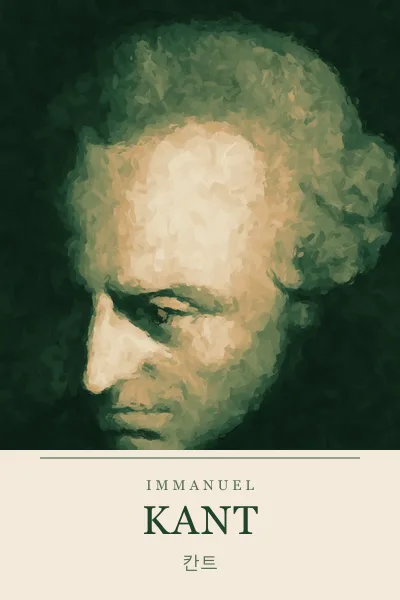
Perpetual Peace: Strangers, Trade and a Race of Devils
영구 평화론: 이방인, 교역, 그리고 악마의 종족
Immanuel Kant (1724–1804)
The Story
Tap a word to translate it. Select text to highlight it or add it to your study plan.
Kant’s third article reaches beyond single nations to the whole earth, and then he asks a hard question: can selfish human beings ever really keep the peace?
“The rights of people as citizens of the world shall be limited to universal hospitality.Hospitality here means the right of a stranger who arrives in a foreign land not to be treated as an enemy.He may be sent away, if that does not cause his death, but as long as he behaves peacefully, he must not be treated with hostility.This right belongs to all people, because the earth is round: we cannot scatter ourselves endlessly, and in the end we must learn to live side by side.Originally, no one had more right than anyone else to live on any particular part of the earth.
Compare this with how the ‘civilised’ trading nations of Europe behave when they visit foreign lands: to them, visiting means conquering.When America and other lands were discovered, they were treated as if they belonged to nobody, because the people who lived there were counted as nothing.
People often say that a republic would need a nation of angels, because human beings are too selfish for such a fine constitution.But the problem of setting up a state can be solved even for a race of devils, as long as they are intelligent.A good constitution sets each person’s selfish interests against the others, so that they check one another, and everyone is forced to be, if not a good person, at least a good citizen.
Nature helps in another way, too: the spirit of trade cannot live side by side with war, and sooner or later it takes hold of every nation.So states find themselves pushed, not by morality but by their own interest, to prevent war wherever it threatens to break out.In this way nature guarantees perpetual peace, not with certainty, but clearly enough to make it our duty to work for it, for it is no empty dream.”
Full translationTry the story first — open this only to check your understanding.
칸트의 세 번째 조항은 한 나라를 넘어 지구 전체로 나아가요. 그러고 나서 어려운 질문을 던져요. 이기적인 인간이 정말로 평화를 지킬 수 있을까요?
"세계 시민으로서 사람들이 지닌 권리는 보편적 우호의 조건으로 한정되어야 한다. 여기서 우호란 낯선 땅에 도착한 이방인이 적으로 대우받지 않을 권리를 뜻한다. 죽음에 이르게 하지 않는 한 돌려보낼 수는 있지만, 평화롭게 행동하는 동안에는 적대적으로 대해서는 안 된다. 이 권리는 모든 사람에게 있다. 지구는 둥글어서 우리가 끝없이 흩어질 수 없고, 결국 나란히 사는 법을 배워야 하기 때문이다. 본래 누구도 다른 사람보다 지구의 어느 특정한 곳에 살 권리를 더 많이 가지지 않았다.
이것을 유럽의 '문명화된' 교역 국가들이 낯선 땅을 찾아갈 때 하는 행동과 비교해 보라. 그 나라들에게 방문이란 곧 정복을 뜻한다. 아메리카와 다른 땅들이 발견되었을 때, 그곳은 주인이 없는 땅처럼 취급되었다. 그곳에 살던 사람들은 아무것도 아닌 존재로 여겨졌기 때문이다.
사람들은 흔히 공화국에는 천사들의 나라가 필요할 것이라고 말한다. 인간은 그렇게 훌륭한 헌법을 갖기에는 너무 이기적이라는 것이다. 그러나 나라를 세우는 문제는 악마의 종족에게도, 영리하기만 하다면 풀릴 수 있다. 좋은 헌법은 각자의 이기적인 이익을 서로 맞서게 하여 서로를 견제하게 하고, 모든 사람이 선한 사람은 아니더라도 적어도 좋은 시민이 되도록 만든다.
자연은 또 다른 방식으로도 돕는다. 교역의 정신은 전쟁과 함께 살 수 없으며, 머지않아 모든 나라를 사로잡는다. 그래서 나라들은 도덕 때문이 아니라 자기 이익 때문에, 전쟁이 터질 듯한 곳이면 어디서든 그것을 막도록 떠밀리게 된다. 이렇게 자연은 영구 평화를 보장한다. 확실하지는 않지만, 그것을 위해 애쓰는 것이 우리의 의무가 될 만큼은 분명하게. 그것은 헛된 꿈이 아니기 때문이다."
In plain words
칸트는 모든 사람에게 '세계 시민'으로서 기본 권리를 줘요. 적으로 대우받지 않고 다른 나라를 찾아갈 권리예요. 하지만 방문은 정복이 아니에요. 칸트는 유럽의 식민주의를 이토록 분명하게 비판한 첫 철학자들 가운데 한 명이었어요. '악마의 종족' 이야기는 희망적인 생각이에요. 평화에는 완벽한 사람이 필요한 게 아니라, 이기적인 이익이 서로를 견제하게 하는 잘 짜인 법이 필요하다는 거예요. 교역도 전쟁을 값비싼 일로 만들어요. 평화는 보장되지 않지만 가능하고, 그래서 평화를 위해 애쓰는 것은 우리의 의무예요.
Comprehension Check
1. What does 'hospitality' mean in Kant's third article?
2. Why does this right belong to all people?
3. What does Kant criticise about the European trading nations?
4. What does the 'race of devils' example show?
5. How does the spirit of trade help peace?
Vocabulary
noun
hospitality
환대, 우호
Thank you for your kind hospitality during our stay.
머무는 동안 따뜻하게 맞아 주셔서 감사해요.
Your Summary
In 1–2 sentences, say what right a stranger has in a foreign land, and why Kant thinks even a race of devils could build a working state.
Source: Adapted from the Third Definitive Article and the First Supplement of Immanuel Kant's "Perpetual Peace: A Philosophical Essay" (1795). This simplified version, the explainer and the Korean translation are original text written for SeoJae Story.
In this book
About this book →Perpetual Peace · 0 of 3 read
That's every part we have so far. More chapters are on the way.
Read this with your book club
Share this chapter with your book club and discuss it together.