
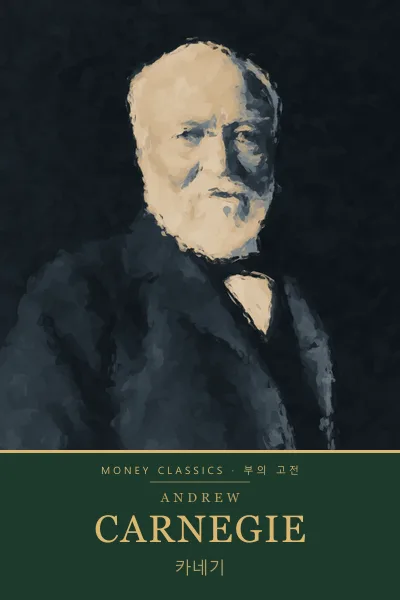
The Gospel of Wealth: Giving Wisely
부의 복음: 현명하게 베풀기
Andrew Carnegie (1835–1919)
The Story
Tap a word to translate it. Select text to highlight it or add it to your study plan.
Carnegie ended his essay by describing the duty of a rich person, and he spent the rest of his life trying to follow his own advice.
“This, then, is the duty of the man of wealth: first, to set an example of modest living, avoiding display and extravagance.Second, to provide moderately for the real needs of those who depend on him.And after that, to treat all the money left over as a trust, which he must manage in whatever way will do the most good for the community.
Those who give must be wise, because one of the greatest obstacles to human progress is careless charity.Of every thousand dollars given to charity today, perhaps nine hundred and fifty are spent unwisely, and some even cause the very problems they hoped to cure.I know a writer who gave a quarter of a dollar to a stranger in the street, knowing nothing about how it would be used; he only wanted to feel good and avoid being bothered.
In giving, the main aim should be to help those who will help themselves: to give people who want to rise the means to rise.We should assist, but rarely or never do everything for them.The best way to help a community is to place within its reach ladders on which people can climb: free libraries, parks, concert halls, works of art and schools.
The day is coming when the man who dies leaving millions he could have used for good will pass away unwept, unhonored and unsung.The public will say of him: ‘The man who dies thus rich dies disgraced.’”
Carnegie went on to give away about ninety percent of his fortune, paying for more than two thousand five hundred public libraries around the world.Many people admired him, but critics pointed out that his workers had been paid low wages for long hours, and asked whether it would have been fairer to pay them more in the first place.
Full translationTry the story first — open this only to check your understanding.
카네기는 부자의 의무를 설명하며 에세이를 마무리했고, 남은 생애 동안 자기 조언을 따르려고 애썼어요.
"부자의 의무는 이렇습니다. 첫째, 겉치레와 사치를 피하며 검소하게 사는 본보기가 되는 것입니다. 둘째, 자기에게 기대어 사는 사람들의 실제 필요를 적당히 채워 주는 것입니다. 그리고 그다음에는 남는 돈을 모두 맡겨진 재산으로 여기고, 공동체에 가장 이로운 방식으로 관리하는 것입니다.
베푸는 사람은 지혜로워야 합니다. 인류의 발전을 가로막는 가장 큰 걸림돌 가운데 하나가 생각 없는 자선이기 때문입니다. 오늘날 자선에 쓰이는 천 달러 가운데 아마 구백오십 달러는 현명하지 못하게 쓰이고, 어떤 돈은 고치려던 바로 그 문제를 오히려 일으킵니다. 제가 아는 한 작가는 거리에서 처음 보는 사람에게 25센트를 주었는데, 그 돈이 어떻게 쓰일지는 전혀 몰랐습니다. 그저 기분이 좋고 귀찮은 일을 피하고 싶었을 뿐이었습니다.
베풀 때 가장 중요한 목표는 스스로 돕는 사람을 돕는 것, 곧 일어서려는 사람에게 일어설 수단을 주는 것이어야 합니다. 우리는 도와야 하지만, 모든 것을 대신해 주는 일은 거의 없어야 합니다. 공동체를 돕는 가장 좋은 방법은 사람들이 오를 수 있는 사다리를 손 닿는 곳에 놓아 주는 것입니다. 무료 도서관, 공원, 음악당, 예술 작품, 학교 같은 것들 말입니다.
좋은 일에 쓸 수 있었던 수백만 달러를 남기고 죽는 사람이, 아무도 울어 주지 않고 기리지도 노래하지도 않는 가운데 세상을 떠날 날이 오고 있습니다. 사람들은 그 사람을 두고 이렇게 말할 것입니다. '이렇게 부자로 죽는 사람은 부끄럽게 죽는 것이다.'"
카네기는 그 뒤 재산의 약 90퍼센트를 나누어 주었고, 전 세계에 2,500곳이 넘는 공공 도서관을 세우는 비용을 댔어요. 많은 사람이 카네기를 존경했지만, 비판하는 사람들은 카네기의 노동자들이 긴 시간 일하고도 낮은 임금을 받았다고 지적하며, 애초에 임금을 더 주는 편이 더 공정하지 않았느냐고 물었어요.
What this means for your money
카네기의 기부 원칙은 사람들이 스스로 설 수 있게 돕는 것이었어요. 그래서 현금을 나눠 주기보다 도서관을 지었지요. 크든 작든 어떤 기부에도 같은 기준을 쓸 수 있어요. 주는 기분이 어떨지만 묻지 말고, 그 기부로 무엇이 가능해지는지 물어보세요. 기부하기 전에 잠깐 시간을 내어 그 단체가 돈을 어떻게 쓰는지 알아보고, 가르치거나 이끌어 주는 것처럼 시간과 재능도 선물이라는 걸 기억하세요. 카네기를 비판한 사람들의 말에도 일리가 있어요. 나중에 얼마나 너그럽게 베푸느냐만큼, 돈을 벌고 값을 치르고 사람을 대하는 방식이 공정한지도 중요하거든요.
Comprehension Check
1. What is the first duty of a rich person, according to Carnegie?
2. What does Carnegie say is wrong with most charity?
3. Why does Carnegie criticize the writer who gave a quarter to a stranger?
4. What does Carnegie mean by "ladders"?
5. What did Carnegie's critics say?
Vocabulary
adjective
modest
검소한, 수수한; 적당한
They live in a modest apartment near the station.
그 사람들은 역 근처의 수수한 아파트에 살아요.
Your Summary
In 1–2 sentences, explain what Carnegie meant by giving people "ladders" instead of simply giving them money.
Source: Adapted from Andrew Carnegie's essay "Wealth" (North American Review, June 1889), later known as "The Gospel of Wealth"; long in the public domain. This simplified version, the explainer and the Korean translation are original text written for SeoJae Story.
In this book
About this book →The Gospel of Wealth · 0 of 3 read
That's every part we have so far. More chapters are on the way.
Read this with your book club
Share this chapter with your book club and discuss it together.