
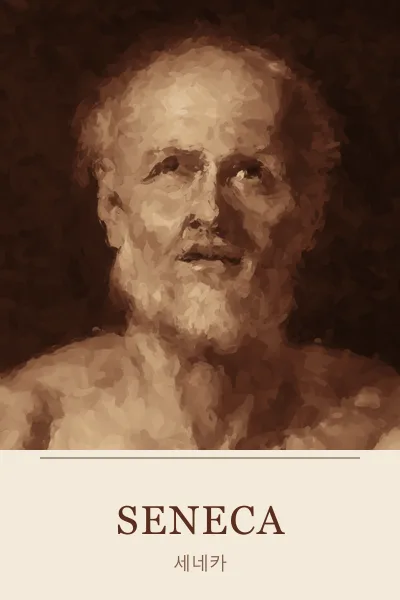
On the Shortness of Life: Friends from Every Age
인생의 짧음에 관하여: 모든 시대의 벗
Seneca (c. 4 BC–AD 65)
The Story
Tap a word to translate it. Select text to highlight it or add it to your study plan.
After describing so many wasted lives, Seneca finally says who really lives.
“The only people who are truly at leisure are those who give their time to philosophy, and they alone really live.They do not only enjoy their own lifetime; they add every past age to their own, and all the years before them belong to them.We may argue with Socrates, doubt with Carneades, rest with Epicurus, and rise above human nature with the Stoics.Since Nature lets us share in every age, why not turn from our own short and passing time to what is vast and eternal, and to the company of better people than ourselves?
People who spend their days rushing from one important man’s door to another are often turned away, kept waiting, or greeted with a yawn.But the great thinkers of the past are never ‘too busy’: none of them will send you away without making you happier and more at peace with yourself.And you can visit them by night as well as by day.
None of them will force you to die, but all of them will teach you how to die.None of them will waste your time; each will add his own years to yours.So the life of a wise person is long: he keeps the past in his memory, makes use of the present, and looks ahead to the future.”
Full translationTry the story first — open this only to check your understanding.
그토록 많은 낭비된 삶을 묘사한 뒤, 세네카는 마침내 누가 정말로 사는지 말해요.
"참으로 여유를 누리는 사람은 철학에 시간을 바치는 사람뿐이며, 오직 이들만이 정말로 산다. 이런 사람들은 자기 생애만 누리는 것이 아니라 지나간 모든 시대를 자기 것으로 더하니, 앞서간 모든 세월이 이들의 것이 된다. 우리는 소크라테스와 토론하고, 카르네아데스와 함께 의심하고, 에피쿠로스와 함께 쉬며, 스토아학파와 함께 인간의 본성을 넘어설 수 있다. 자연이 우리에게 모든 시대와 함께할 수 있게 해 주었는데, 왜 우리의 짧고 덧없는 시간에서 벗어나 광대하고 영원한 것, 그리고 우리보다 나은 사람들과의 사귐으로 향하지 않는가?
높은 사람의 집 문을 이곳저곳 바삐 찾아다니며 하루를 보내는 사람들은 흔히 문전박대를 당하거나, 기다리게 되거나, 하품으로 맞이받는다. 그러나 옛 위대한 사상가들은 결코 '너무 바쁘지' 않다. 그 누구도 너를 더 행복하게, 자신과 더 평화롭게 만들어 주지 않고는 돌려보내지 않는다. 게다가 낮뿐 아니라 밤에도 찾아갈 수 있다.
그 누구도 너에게 죽음을 강요하지 않지만, 모두가 죽는 법을 가르쳐 줄 것이다. 그 누구도 네 시간을 낭비하지 않고, 저마다 자신의 세월을 네 세월에 더해 줄 것이다. 그러므로 지혜로운 사람의 삶은 길다. 지나간 것은 기억으로 간직하고, 현재는 잘 쓰며, 미래는 내다본다."
In plain words
세네카에게 짧은 삶의 치료제는 읽기와 생각하기예요. 책을 통해 우리는 모든 세기를 '살' 수 있어요. 옛 위대한 정신들은 가질 수 있는 최고의 친구예요. 언제나 시간이 있고, 기분이 상하는 법도 없으며, 언제나 나를 더 낫게 만들어 주려 해요. 힘 있는 사람들이 거들떠보지도 않는데 눈에 띄려고 기다리며 보내는 시간과 비교해 보세요. 어떤 의미에서 이것이 바로 지금 여러분이 하고 있는 일이에요. 이천 년 뒤에 세네카와 시간을 보내고 있으니까요.
Original text
Now read the original
You just read an easy retelling. Here is the same passage exactly as the author wrote it — unabridged, split into short readings.
Chapters XIV–XV · 952 words · 2 short readings
Read the originalComprehension Check
1. Who are the only people truly at leisure, according to Seneca?
2. How can a person 'add every past age' to their own life?
3. What often happens to people who rush to important men's doors?
4. What will the great thinkers of the past teach you?
5. Why is the life of a wise person long?
Vocabulary
noun
leisure
여가, 여유
She spends her leisure time reading.
그 사람은 여가 시간에 책을 읽어요.
Your Summary
In 1–2 sentences, say who Seneca thinks really lives, and why the great thinkers of the past are good company.
Source: Adapted from chapters XIV and XV of Seneca's dialogue "On the Shortness of Life" (c. AD 49), in Aubrey Stewart's English translation (long in the public domain, Project Gutenberg #64576). This simplified version, the explainer and the Korean translation are original text written for SeoJae Story.
In this book
About this book →On the Shortness of Life · 0 of 3 read
That's every part we have so far. More chapters are on the way.
Read this with your book club
Share this chapter with your book club and discuss it together.