
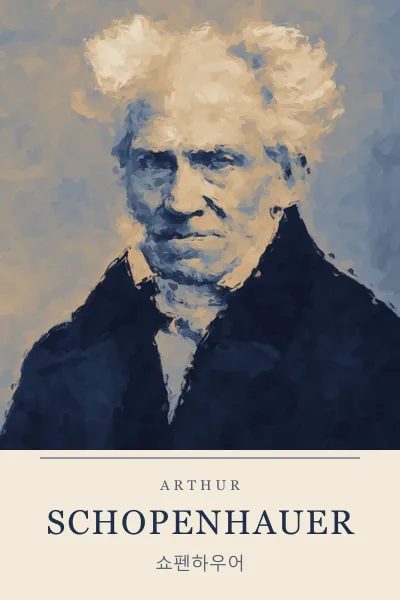
The Wisdom of Life: Pain and Boredom
삶의 지혜: 고통과 권태
Arthur Schopenhauer (1788–1860)
The Story
Tap a word to translate it. Select text to highlight it or add it to your study plan.
“The most general view of life shows us that the two enemies of human happiness are pain and boredom.We may go further and say that the further we manage to get from one, the nearer we come to the other. Life, in fact, swings more or less violently between the two.Need and poverty produce pain, while a man who is more than comfortable is bored.So the lower classes fight an endless struggle with need, in other words with pain, while the upper classes carry on a constant and often desperate battle with boredom.
The true source of boredom is an empty mind: a constant hunger for excitement, for anything that will give the mind something to do.You can see it in the miserable pastimes people turn to, in their idea of conversation, and in the number of people who gossip on the doorstep or stare out of the window.It is mainly because of this inner emptiness that people go looking for company, entertainment, amusement and luxury of every kind, which lead many into waste and misery.
Nothing protects us so well against this misery as inner wealth, the wealth of the mind, because the greater it grows, the less room it leaves for boredom.The endless activity of thought, always finding new material in the self and in nature, refreshes the mind and lifts it far above the reach of boredom.But a lively mind also feels pain more sharply, because sensitivity to pain grows with the power of the mind.
So each person tends to guard most carefully against the kind of suffering he is most open to.The wise man will, above all, seek freedom from pain and trouble, quiet and leisure, and so a calm, modest life with as few encounters as possible.For the more a man has in himself, the less he will want from other people, and the less, indeed, other people can be to him.Unfortunately, a hundred fools together do not make one wise man.”
Full translationTry the story first — open this only to check your understanding.
"삶을 가장 넓게 둘러보면, 인간 행복의 두 적은 고통과 권태라는 것을 알 수 있다. 한 걸음 더 나아가, 우리가 한쪽에서 멀어질수록 다른 쪽에 가까워진다고 말할 수 있다. 사실 삶은 그 둘 사이를 다소 격렬하게 오가는 시계추와 같다. 궁핍과 가난은 고통을 낳고, 넉넉한 정도를 넘어선 사람은 권태에 빠진다. 그래서 가난한 계층은 궁핍, 곧 고통과 끝없이 싸우고, 부유한 계층은 권태와 끊임없이, 때로는 필사적으로 싸운다.
권태의 진짜 원천은 텅 빈 마음이다. 마음에 할 일을 줄 무언가를, 자극을 끊임없이 갈구하는 것이다. 사람들이 매달리는 시시한 소일거리, 그들이 생각하는 대화, 그리고 문간에서 수다를 떨거나 창밖을 멍하니 내다보는 사람들의 수만 보아도 알 수 있다. 사람들이 어울릴 사람, 오락, 즐길 거리, 온갖 사치를 찾아 나서는 것은 주로 이 내면의 공허 때문이며, 그것이 많은 이를 낭비와 불행으로 이끈다.
이런 불행을 막아 주는 데 내면의 부, 곧 정신의 부만 한 것이 없다. 그것이 커질수록 권태가 들어설 자리는 줄어들기 때문이다. 자기 자신과 자연 속에서 늘 새로운 재료를 찾아내는 생각의 끝없는 활동은 정신을 새롭게 하고, 권태가 닿지 못할 높은 곳으로 정신을 끌어올린다. 하지만 활발한 정신은 고통도 더 날카롭게 느낀다. 고통에 대한 민감함은 정신의 힘과 함께 커지기 때문이다.
그래서 사람은 누구나 자신이 가장 쉽게 빠지는 종류의 고통을 가장 조심스럽게 경계하게 된다. 지혜로운 사람은 무엇보다 고통과 괴로움에서 벗어나는 것, 고요함과 여유를 추구할 것이다. 그러니 되도록 사람을 덜 만나는 조용하고 소박한 삶을 택할 것이다. 자기 안에 가진 것이 많을수록 남들에게서 바라는 것이 줄어들고, 실제로 남들이 줄 수 있는 것도 줄어들기 때문이다. 안타깝게도 바보 백 명이 모인다고 지혜로운 사람 하나가 되지는 않는다."
In plain words
쇼펜하우어는 삶을 시계추처럼 그려요. 무언가가 부족하면 괴롭고, 모든 것을 가지면 지루해요. 그래서 쇼펜하우어에게 행복은 대체로 소극적인 것이에요. 큰 즐거움이 아니라, 고통이 없고 권태가 없는 상태예요. 권태를 이기는 처방은 더 많은 오락이 아니라, 생각하고 읽고 배우며 스스로를 바쁘게 할 수 있는 풍성한 정신이에요. 그런 정신을 가진 대가는 더 예민한 감수성이에요. 그래서 지혜로운 사람은 쓸데없는 고통을 피할 수 있는 조용한 삶을 택해요.
Original text
Now read the original
You just read an easy retelling. Here is the same passage exactly as the author wrote it — unabridged, split into short readings.
Chapter II · 8,599 words · 19 short readings
Read the originalComprehension Check
1. What are the two enemies of human happiness?
2. Which enemy do the upper classes mostly fight?
3. What is the true source of boredom, according to Schopenhauer?
4. What protects us best against boredom?
5. Why does a person with a rich inner life want less from other people?
Vocabulary
noun
boredom
권태, 지루함
He started playing games on his phone out of boredom.
그 아이는 지루해서 휴대폰으로 게임을 하기 시작했어요.
Your Summary
In 1–2 sentences, name the two enemies of happiness, and say what Schopenhauer thinks protects us best against boredom.
Source: Adapted from Chapter II of Arthur Schopenhauer's "The Wisdom of Life" (from "Parerga and Paralipomena", 1851), in T. Bailey Saunders's English translation (long in the public domain, Project Gutenberg #10741). This simplified version, the explainer and the Korean translation are original text written for SeoJae Story.
In this book
About this book →The Wisdom of Life · 0 of 3 read
That's every part we have so far. More chapters are on the way.
Read this with your book club
Share this chapter with your book club and discuss it together.