
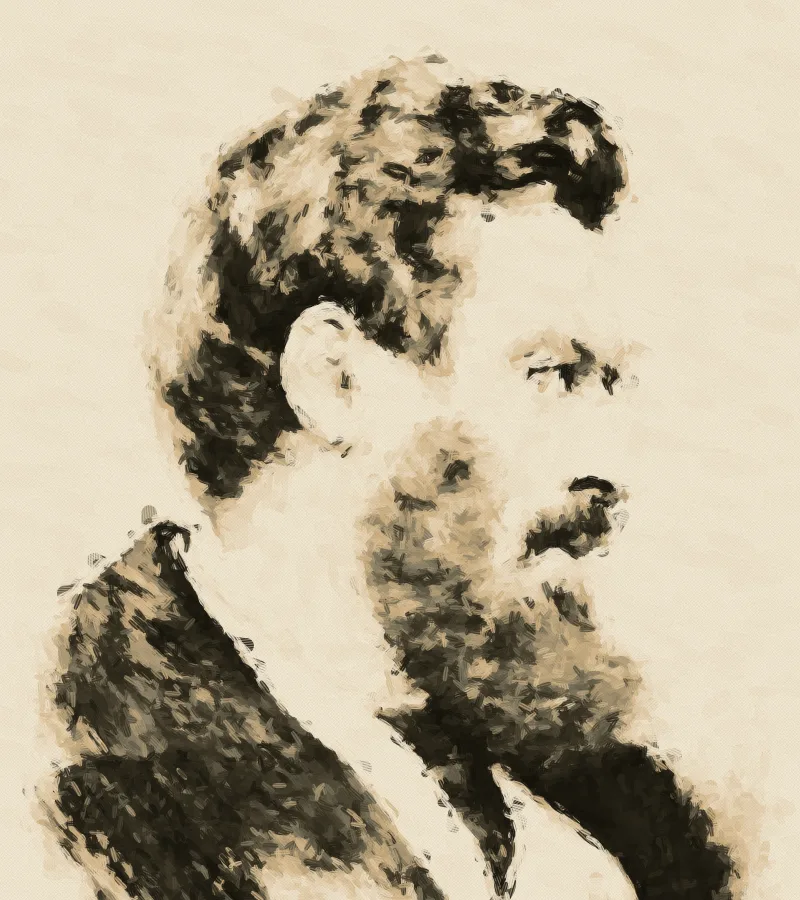
Walter Bagehot
월터 배젓
1826–1877
English banker's son, essayist and editor of The Economist. Lombard Street (1873), named after London's banking street, explains in plain words how banks turn scattered savings into economic power and why they can collapse. Its rule for stopping a panic, 'lend freely, at a high rate, against good security', guided central banks in 2008 and is still taught today.
Works
3 partsB2
Lombard Street
롬바드 스트리트
Educational content, not financial advice.
Back to Money classicsReading Walter Bagehot in English: quick answers
- Who was Walter Bagehot?
- Walter Bagehot (1826–1877): English banker's son, essayist and editor of The Economist. Lombard Street (1873), named after London's banking street, explains in plain words how banks turn scattered savings into economic power and why they can collapse. Its rule for stopping a panic, 'lend freely, at a high rate, against good security', guided central banks in 2008 and is still taught today.
- What can I read by Walter Bagehot on SeoJae Story?
- Lombard Street, in 3 parts, based on the public-domain English original.
- Is Walter Bagehot hard to read in English?
- The sentences and vocabulary are simplified to about CEFR B2, but the advice, stories and famous lines are kept. Each part ends with a short “What this means for your money” card that applies the idea to life today, and you can tap any word for its meaning. Educational content, not financial advice.
- Is there a Korean translation?
- Yes. Every sentence has a Korean translation, and the full translation can be opened under the text, along with audio narration, vocabulary and a comprehension check.