
The Analects: Ruling by Virtue
논어: 덕으로 다스리기
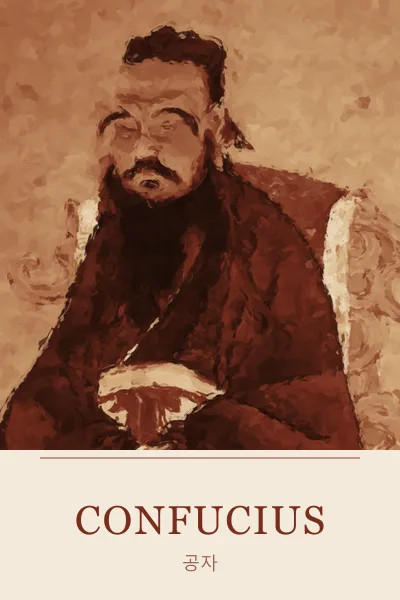
Confucius (551–479 BC)
The Story
Tap a word to translate it. Select text to highlight it or add it to your study plan.
Confucius lived in a time of war, when small states fought one another and many rulers were cruel.For years he travelled from state to state, hoping that a ruler would let him put his ideas about good government into practice.
The Master said, “He who rules by virtue is like the North Star, which stays in its place while all the other stars turn towards it.”“If you lead the people with laws and keep them in order with punishments, they will try to avoid punishment but will have no sense of shame.If you lead them with virtue and keep them in order with good manners, they will have a sense of shame, and they will become good.”
Zigong asked about government. The Master said, “Enough food, enough weapons, and the trust of the people.”Zigong asked, “If one of the three had to be given up, which should go first?” “The weapons,” said the Master.“And if one of the other two had to be given up?” “Give up the food. Since ancient times all people have died, but if the people have no trust in their rulers, the state cannot stand.”
Duke Jing of Qi asked about government. Confucius replied, “Let the ruler be a ruler and the minister be a minister; let the father be a father and the son be a son.”A powerful minister, Ji Kangzi, asked, “What would you say to killing the wicked for the good of everyone else?”Confucius replied, “Sir, why use killing at all? If you truly want what is good, the people will be good.The character of a ruler is like the wind, and the character of the people is like the grass. When the wind blows over the grass, the grass must bend.”
Full translationTry the story first — open this only to check your understanding.
공자는 작은 나라들이 서로 싸우고 많은 통치자가 잔인했던 전쟁의 시대에 살았어요. 어느 통치자가 좋은 정치에 대한 자기 생각을 실천하게 해 주기를 바라며, 여러 해 동안 이 나라 저 나라를 떠돌았어요.
선생님께서 말씀하셨다. "덕으로 정치를 하는 것은 북극성이 제자리에 있고 뭇별이 그쪽을 향해 도는 것과 같다." "법으로 이끌고 형벌로 다스리면, 백성은 형벌을 피하려고만 할 뿐 부끄러움을 모른다. 덕으로 이끌고 예로 다스리면, 백성은 부끄러움을 알고 또 선해질 것이다."
자공이 정치에 대해 여쭈었다. 선생님께서 말씀하셨다. "넉넉한 식량, 넉넉한 군비, 그리고 백성의 믿음이다." 자공이 여쭈었다. "셋 가운데 하나를 버려야 한다면 무엇을 먼저 버려야 합니까?" 선생님께서 말씀하셨다. "군비를 버려라." "남은 둘 가운데 하나를 버려야 한다면요?" "식량을 버려라. 예로부터 사람은 누구나 죽었지만, 백성의 믿음이 없으면 나라가 설 수 없다."
제나라 경공이 정치에 대해 물었다. 공자께서 대답하셨다. "임금은 임금답고, 신하는 신하다우며, 아버지는 아버지답고, 아들은 아들다워야 합니다." 권세 있는 대신 계강자가 물었다. "악한 자들을 죽여서 다른 모든 사람을 이롭게 하면 어떻겠습니까?" 공자께서 대답하셨다. "어찌 죽이는 방법을 쓰십니까? 진심으로 선을 바라시면 백성도 선해질 것입니다. 윗사람의 덕은 바람이고 아랫사람의 덕은 풀이니, 풀 위로 바람이 불면 풀은 반드시 눕습니다."
In plain words
공자는 좋은 통치자가 두려움이 아니라 본보기로 이끈다고 믿었어요. 바람에 풀이 눕듯, 사람들은 윗사람을 따라 하니까요. 법과 형벌은 나쁜 행동을 막을 수는 있어도 사람을 선하게 만들지는 못해요. 그건 부끄러움을 아는 마음과 좋은 본보기만이 할 수 있어요. 놀랍게도 공자는 백성의 믿음을 군비와 식량보다 위에 두어요. 믿음이 없으면 나라가 무너지기 때문이에요. '임금은 임금다워야 한다'는 말은 누구나 자기 역할에 걸맞게 살아야 한다는 뜻이고, 이 원칙은 조선의 가정과 나라를 빚었어요.
Original text
Now read the original
You just read an easy retelling. Here is the same passage exactly as the author wrote it — unabridged, split into short readings.
Book XII · 1,742 words · 4 short readings
Read the originalComprehension Check
1. What does Confucius compare a ruler who rules by virtue to?
2. What happens when people are led only by laws and punishments?
3. Of food, weapons and trust, which did Confucius say a state could least do without?
4. What was Confucius's answer to Duke Jing about government?
5. In the wind and grass picture, what does the wind stand for?
Vocabulary
noun
government
정치, 정부
The new government promised lower taxes.
새 정부는 세금을 낮추겠다고 약속했어요.
Your Summary
In 1–2 sentences, say how Confucius thinks a ruler should lead, and which of the three needs of a state he puts first.
Source: Adapted from Books II and XII of the "Analects" of Confucius (compiled c. 5th–3rd century BC), in James Legge's English translation (long in the public domain, Project Gutenberg #3330). This simplified version, the explainer and the Korean translation are original text written for SeoJae Story.
In this book
About this book →The Analects · 0 of 3 read
That's every part we have so far. More chapters are on the way.
Read this with your book club
Share this chapter with your book club and discuss it together.