
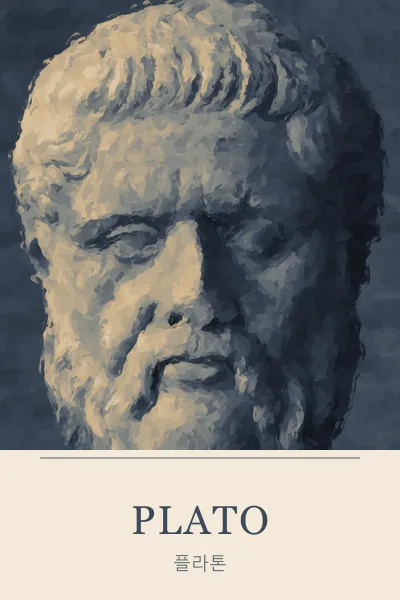
The Apology: The Gadfly
소크라테스의 변명: 등에
Plato (c. 428–348 BC)
The Story
Tap a word to translate it. Select text to highlight it or add it to your study plan.
Socrates told the jury that he would not stop doing philosophy, even to save his life.
“To fear death is to think you are wise when you are not, because it is to think you know what you do not know.No one knows whether death, which people fear as the greatest evil, may not be the greatest good.But I do know that doing wrong is evil and shameful, so I will always fear a certain evil more than something that may turn out to be good.So if you said to me, ‘Socrates, we will let you go, but only if you stop asking questions,’ I would answer:‘Men of Athens, I respect and love you, but I shall obey the god rather than you, and while I have life and strength, I shall never stop doing philosophy.’
I would keep saying to everyone I meet: ‘My friend, are you not ashamed of caring so much about money, honour and reputation, and so little about wisdom, truth and the improvement of your soul?’Virtue does not come from money; rather, money and every other good thing come from virtue.Whatever you decide, understand that I shall never change my ways, not even if I have to die many times.
If you kill me, you will harm yourselves more than me, for you will not easily find another like me.I am a kind of gadfly, given to the city by the god; and the city is like a great, noble horse that is slow because of its size and needs to be stung awake.All day long and everywhere, I settle on you, waking you, persuading you and scolding you.You may be annoyed, like someone woken from sleep, and strike me dead, and then you would sleep on for the rest of your lives.And the proof that I was sent by the god is my poverty: I have never asked anyone for payment.”
Full translationTry the story first — open this only to check your understanding.
소크라테스는 배심원들에게, 목숨을 구하기 위해서라도 철학을 멈추지 않겠다고 말했어요.
"죽음을 두려워하는 것은 지혜롭지 않으면서 지혜롭다고 생각하는 것이다. 모르는 것을 안다고 생각하는 것이기 때문이다. 사람들이 가장 큰 악으로 두려워하는 죽음이 어쩌면 가장 큰 선일지도 모른다는 것을, 아무도 알지 못한다. 그러나 잘못을 저지르는 것이 악하고 부끄러운 일이라는 것은 분명히 안다. 그러니 나는 좋은 것일지도 모르는 일보다 확실한 악을 언제나 더 두려워할 것이다. 그러니 여러분이 나에게 '소크라테스, 당신을 풀어 주겠소. 다만 더는 질문하고 다니지 않는다는 조건이오'라고 말한다면, 나는 이렇게 대답하겠다. '아테네 시민 여러분, 나는 여러분을 존경하고 사랑한다. 그러나 여러분보다 신에게 복종할 것이며, 목숨과 힘이 남아 있는 한 결코 철학을 멈추지 않을 것이다.'
나는 만나는 모든 사람에게 계속 이렇게 말할 것이다. '친구여, 돈과 명예와 평판에는 그토록 마음을 쓰면서 지혜와 진리와 영혼을 더 낫게 하는 일에는 거의 마음을 쓰지 않는 것이 부끄럽지 않은가?' 덕은 돈에서 나오지 않는다. 오히려 돈과 다른 모든 좋은 것이 덕에서 나온다. 여러분이 어떤 결정을 내리든, 내가 결코 내 방식을 바꾸지 않으리라는 것을 알아 두라. 여러 번 죽어야 한다 해도 말이다.
여러분이 나를 죽인다면 나보다 여러분 자신을 더 해치게 될 것이다. 나 같은 사람을 다시 찾기는 쉽지 않을 테니까. 나는 신이 이 도시에 보낸 일종의 등에다. 그리고 이 도시는 덩치가 커서 굼뜨고, 쏘여야 깨어나는 크고 훌륭한 말과 같다. 나는 온종일 어디서나 여러분에게 달라붙어, 여러분을 깨우고 설득하고 꾸짖는다. 여러분은 잠에서 깬 사람처럼 짜증이 나서 나를 쳐 죽일 수도 있다. 그러면 여러분은 남은 평생을 계속 잠든 채 지낼 것이다. 그리고 내가 신이 보낸 사람이라는 증거는 나의 가난이다. 나는 누구에게도 대가를 요구한 적이 없다."
In plain words
소크라테스는 죽음을 두려워하는 것이 일종의 거짓 지혜라고 말해요. 죽음이 정말 무엇인지 아무도 모르기 때문이에요. 확실히 아는 것은 잘못을 저지르는 것이 나쁘다는 것뿐이라서, 목숨을 구하려고 자기 일을 포기하지 않겠다는 거예요. 자신을 등에, 곧 게으른 말을 깨어 있게 하는 쏘는 곤충이라고 불러요. 아테네에는 편안한 잠을 방해하는 사람이 필요하다는 거예요. 오늘날에도 영어에서는 공개적으로 불편한 질문을 던지는 사람을 'gadfly(등에)'라고 불러요.
Original text
Now read the original
You just read an easy retelling. Here is the same passage exactly as the author wrote it — unabridged, split into short readings.
The defence (second part) · 3,514 words · 8 short readings
Read the originalComprehension Check
1. Why does Socrates say that fearing death is not real wisdom?
2. What would Socrates do if the jury freed him on condition that he stopped asking questions?
3. According to Socrates, what is the relationship between virtue and money?
4. In the gadfly picture, what does the horse stand for?
5. What does Socrates offer as proof that he was sent by the god?
Vocabulary
verb
obey
복종하다, 따르다
Soldiers must obey their officers.
군인은 장교의 명령에 복종해야 해요.
Your Summary
In 1–2 sentences, say why Socrates will not stop doing philosophy, and what he means by calling himself a gadfly.
Source: Adapted from the middle of the first speech of Plato's "Apology" (c. 399 BC), Socrates' speech at his trial, in Benjamin Jowett's English translation (long in the public domain, Project Gutenberg #1656). This simplified version, the explainer and the Korean translation are original text written for SeoJae Story.
In this book
About this book →The Apology · 0 of 3 read
Up next · Part 3 of 3
The Unexamined Life
캐묻지 않는 삶 · 2 min read
Read the next partRead this with your book club
Share this chapter with your book club and discuss it together.