
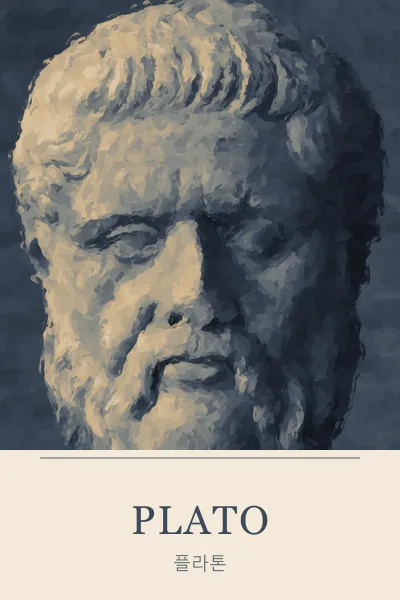
The Apology: The Oracle's Riddle
소크라테스의 변명: 신탁의 수수께끼
Plato (c. 428–348 BC)
The Story
Tap a word to translate it. Select text to highlight it or add it to your study plan.
In 399 BC, the philosopher Socrates stood before a jury of five hundred citizens in Athens, accused of not honouring the city’s gods and of corrupting the young.His student Plato was in the courtroom, and he later wrote down the speech Socrates gave in his own defence: the Apology.
“Men of Athens, a friend of mine once went to the oracle at Delphi and asked whether anyone was wiser than I was, and the priestess answered that no one was.When I heard this, I asked myself, ‘What can the god mean? I know that I have no wisdom, small or great.’So I went to a politician who was thought wise by many people, and still wiser by himself, hoping to prove the oracle wrong.When I talked with him, I found that he was not really wise, and when I tried to show him this, he came to hate me.
As I walked away, I thought: ‘Neither of us knows anything really fine and good, but I am better off than he is.He knows nothing and thinks that he knows; I neither know nor think that I know.’Then I went to the poets, and I found that they wrote beautiful things not by wisdom but by a kind of inspiration, without understanding what they meant.Last, I went to the craftsmen, who really did know many things that I did not; but because they were good at their work, they thought they also knew the greatest matters.
This search has made me many enemies, and people now call me wise, because they imagine that I have the wisdom I find missing in others.But the truth is that only the god is wise, and by his answer he meant that human wisdom is worth little or nothing.He was using my name only as an example, as if to say: ‘The wisest of you is the one who, like Socrates, knows that his wisdom is really worth nothing.’So I still go about, as the god commands, questioning anyone who seems wise, and when he is not, I show him that he is not.”
Full translationTry the story first — open this only to check your understanding.
기원전 399년, 철학자 소크라테스는 아테네 시민 오백 명으로 이루어진 배심원단 앞에 섰어요. 도시의 신들을 섬기지 않고 젊은이들을 타락시켰다는 혐의였어요. 제자 플라톤도 그 법정에 있었고, 훗날 소크라테스가 스스로를 변호하며 한 연설을 글로 남겼어요. 그것이 『소크라테스의 변명』이에요.
"아테네 시민 여러분, 내 친구 하나가 언젠가 델포이의 신탁에 가서 나보다 지혜로운 사람이 있느냐고 물었더니, 여사제는 아무도 없다고 대답했다. 이 말을 듣고 나는 스스로 물었다. '신은 무슨 뜻으로 이런 말을 했을까? 나는 크든 작든 아무 지혜도 없다는 것을 알고 있는데.' 그래서 나는 신탁이 틀렸음을 보이려고, 많은 사람이 지혜롭다고 여기고 스스로는 더욱 지혜롭다고 여기는 한 정치가를 찾아갔다. 그 사람과 이야기해 보니 정말로 지혜로운 사람이 아니었고, 내가 그 점을 보여 주려 하자 나를 미워하게 되었다.
돌아서 나오며 나는 생각했다. '우리 둘 다 정말로 아름답고 좋은 것은 아무것도 알지 못한다. 그래도 내가 저 사람보다는 낫다. 저 사람은 아무것도 모르면서 안다고 생각하지만, 나는 알지도 못하고 안다고 생각하지도 않는다.' 그다음에는 시인들을 찾아갔는데, 시인들은 지혜가 아니라 일종의 영감으로 아름다운 것을 쓸 뿐, 그 뜻은 이해하지 못한다는 것을 알게 되었다. 마지막으로 장인들을 찾아갔다. 장인들은 정말로 내가 모르는 것을 많이 알고 있었다. 하지만 자기 일을 잘한다는 이유로 가장 큰 문제들까지 안다고 생각했다.
이 탐구 때문에 나는 많은 적을 얻었다. 그리고 사람들은 이제 나를 지혜롭다고 부른다. 내가 남들에게서 찾지 못한 그 지혜를 내가 가졌다고 여기기 때문이다. 그러나 진실은 오직 신만이 지혜롭다는 것이고, 신은 그 대답으로 인간의 지혜가 거의, 혹은 전혀 가치가 없다는 뜻을 전한 것이다. 신은 내 이름을 하나의 예로 썼을 뿐이다. 마치 이렇게 말하듯이. '너희 가운데 가장 지혜로운 사람은 소크라테스처럼 자기 지혜가 실은 아무 가치도 없음을 아는 사람이다.' 그래서 나는 지금도 신이 명한 대로 돌아다니며 지혜로워 보이는 사람이면 누구에게나 묻고, 지혜롭지 않으면 그렇지 않다는 것을 보여 준다."
In plain words
소크라테스는 처음에 신탁을 믿지 않았어요. 그래서 지혜롭기로 이름난 사람들과 대화하며 신탁을 시험해 보았어요. 그때마다 같은 문제를 발견했어요. 한 가지를 잘 아는 사람이 모든 것을 안다고 믿는다는 거예요. 소크라테스의 유일한 장점은 자기 앎의 한계를 안다는 것이었어요. 흔히 '나는 내가 아무것도 모른다는 것을 안다'라는 말로 요약돼요. 모르는 것을 인정하는 것이 배움의 첫걸음이지만, 남의 무지를 드러낸 탓에 소크라테스는 힘 있는 적을 많이 얻었어요.
Original text
Now read the original
You just read an easy retelling. Here is the same passage exactly as the author wrote it — unabridged, split into short readings.
The defence (first part) · 5,145 words · 11 short readings
Read the originalComprehension Check
1. What was Socrates accused of?
2. What did the oracle at Delphi say?
3. Why did Socrates feel he was better off than the politician?
4. What mistake did the craftsmen make?
5. What did Socrates decide the oracle really meant?
Vocabulary
noun
jury
배심원단
The jury listened carefully to both sides.
배심원단은 양쪽의 말을 주의 깊게 들었어요.
Your Summary
In 1–2 sentences, say what the oracle told Socrates' friend, and what Socrates learned by testing it.
Source: Adapted from the first speech of Plato's "Apology" (c. 399 BC), Socrates' speech at his trial, in Benjamin Jowett's English translation (long in the public domain, Project Gutenberg #1656). This simplified version, the explainer and the Korean translation are original text written for SeoJae Story.
In this book
About this book →The Apology · 0 of 3 read
Up next · Part 2 of 3
The Gadfly
등에 · 3 min read
Read the next partRead this with your book club
Share this chapter with your book club and discuss it together.