
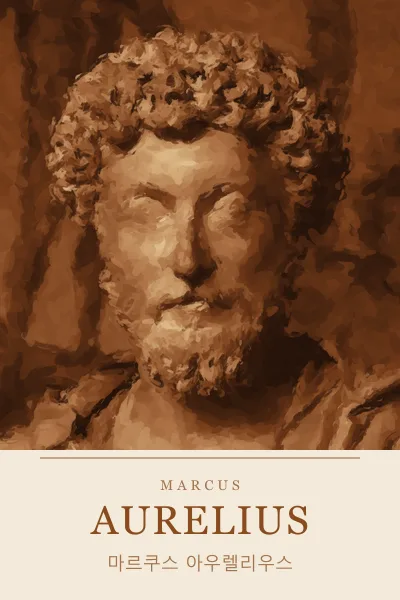
Meditations: The Obstacle Becomes the Way
명상록: 장애물이 길이 된다
Marcus Aurelius (121–180)
The Story
Tap a word to translate it. Select text to highlight it or add it to your study plan.
“In the morning, when you get up unwillingly, let this thought be ready: I am rising to do the work of a human being.Why then am I unhappy, if I am going to do the things I exist for, the things I was brought into the world to do?Or was I made for this: to lie under the blankets and keep myself warm? “But this is more pleasant.” Were you born, then, for pleasure, and not for action?Do you not see the little plants, the birds, the ants, the spiders and the bees, each doing its part to put the world in order? And you are unwilling to do the work of a human being?
It is my duty to do good to people and to put up with them. But when some of them block my proper work, they become to me like the sun, the wind or a wild animal: things that may get in my way.They may stop my action, but they cannot stop my intention or my attitude, because the mind can adapt and change course.The mind turns every obstacle to its activity into an aid. What stands in the way of the action moves the action forward, and the obstacle on the road helps us along this road.
Do not despise death, but accept it calmly, since this too is one of the things that nature wills.Being young and growing old, growing up, getting teeth and a beard and grey hair, having children: all these are works of nature, and so is dying.A thinking person, then, is neither careless nor impatient nor scornful about death, but waits for it as one of nature’s operations.
You have been a citizen of this great city, the world. What difference does it make to you whether it was for five years or for three?Where is the hardship, if it is not a tyrant or an unjust judge who sends you away, but nature, who brought you in? It is as if a manager who hired an actor now dismisses him from the stage.“But I have not finished the five acts, only three.” You are right, but in life three acts are the whole play.Leave, then, with good grace, for the one who releases you is also gracious.”
Full translationTry the story first — open this only to check your understanding.
"아침에 일어나기 싫을 때는 이 생각을 떠올려라. 나는 사람으로서 해야 할 일을 하러 일어나는 것이다. 내가 존재하는 이유, 내가 세상에 태어난 이유인 일을 하러 가는 것인데 왜 불만스러워하는가? 아니면 나는 이불 속에 누워 몸이나 따뜻하게 하려고 만들어졌단 말인가? '하지만 이게 더 즐거운걸.' 그렇다면 너는 즐거움을 위해 태어났지, 행동하기 위해 태어난 것이 아니란 말인가? 작은 풀과 새와 개미와 거미와 벌이 저마다 제 몫을 하며 세상을 가꾸는 것이 보이지 않는가? 그런데 너는 사람으로서 해야 할 일을 하기 싫다는 것인가?
사람들에게 선을 베풀고 그들을 참아 주는 것은 내 의무다. 하지만 어떤 사람들이 내가 마땅히 할 일을 가로막는다면, 그들은 내게 해나 바람이나 들짐승과 같은 것이 된다. 내 길을 막을 수도 있는 것들 말이다. 그들이 내 행동을 막을 수는 있어도 내 뜻이나 마음가짐까지 막을 수는 없다. 마음은 상황에 맞추어 방향을 바꿀 수 있기 때문이다. 마음은 자기 활동을 가로막는 모든 장애물을 도움으로 바꾼다. 행동을 가로막는 것이 오히려 행동을 앞으로 밀어 주고, 길 위의 장애물이 우리가 그 길을 가도록 돕는다.
죽음을 업신여기지 말고 담담히 받아들여라. 죽음 역시 자연이 원하는 일 가운데 하나이기 때문이다. 젊었다가 늙어 가는 것, 자라나는 것, 이가 나고 수염이 나고 머리가 세는 것, 아이를 낳는 것. 이 모든 것이 자연이 하는 일이며, 죽는 것도 마찬가지다. 그러니 생각할 줄 아는 사람은 죽음에 대해 무심하지도, 조급하지도, 경멸하지도 않는다. 다만 자연이 하는 일 가운데 하나로서 죽음을 기다린다.
너는 이 거대한 도시, 곧 세계의 시민으로 살아왔다. 그것이 오 년이었든 삼 년이었든 너에게 무슨 차이가 있겠는가? 너를 내보내는 것이 폭군이나 불공정한 재판관이 아니라 너를 이곳에 데려온 자연이라면 무엇이 괴롭단 말인가? 그것은 배우를 고용했던 극장 주인이 이제 그 배우를 무대에서 내려보내는 것과 같다. '하지만 나는 다섯 막을 다 마치지 못하고 세 막밖에 하지 못했다.' 맞는 말이다. 하지만 삶에서는 세 막이 연극의 전부다. 그러니 기꺼운 마음으로 떠나라. 너를 놓아주는 이 또한 너그러우니."
In plain words
마르쿠스는 자연 속 모든 생명에게 할 일이 있다고 믿어요. 우리의 일은 다른 사람들을 위해 잘 행동하는 것이고, 침대에 계속 누워 있고 싶은 아침에도 마찬가지예요. 가장 유명한 생각은 장애물이 길의 끝이 아니라는 거예요. 계획이 막히면 그것은 인내나 용기, 혹은 새로운 방식으로 행동할 기회가 돼요. 죽음 역시 자라나거나 늙어 가는 것처럼 자연스러운 과정으로 여겨요. 그러니 분노할 일이 아니에요. 삶은 길어서 완성되는 것이 아니에요. 몇 막을 받았든 우리 역할을 잘 해냈을 때 완성되는 거예요.
Original text
Now read the original
You just read an easy retelling. Here is the same passage exactly as the author wrote it — unabridged, split into short readings.
Book V · 4,651 words · 10 short readings
Read the originalComprehension Check
1. What does Marcus tell himself when he does not want to get up?
2. What can other people NOT stop, according to Marcus?
3. What does "the obstacle on the road helps us along this road" mean?
4. How does Marcus compare death to growing old or growing a beard?
5. What is Marcus's answer to someone who says, "I have only played three acts, not five"?
Vocabulary
adverb
unwillingly
마지못해, 내키지 않게
She unwillingly agreed to work on Saturday.
그 직원은 마지못해 토요일에 일하기로 했어요.
Your Summary
In 1–2 sentences, explain how an obstacle can help us on our way, and say how Marcus thinks we should face death.
Source: Adapted from Book V (sections 1 and 20), Book IX (section 3) and the close of Book XII of Marcus Aurelius's "Meditations", in George Long's English translation (1862; long in the public domain, Project Gutenberg #15877). This simplified version, the explainer and the Korean translation are original text written for SeoJae Story.
In this book
About this book →Meditations · 0 of 3 read
That's every part we have so far. More chapters are on the way.
Read this with your book club
Share this chapter with your book club and discuss it together.