
On Liberty: A Tree, Not a Machine
자유론: 기계가 아니라 나무
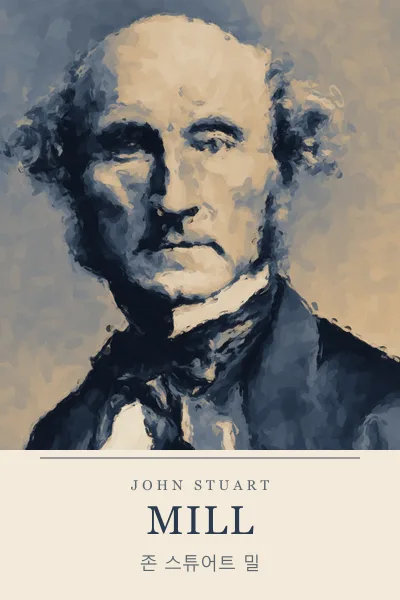
John Stuart Mill (1806–1873)
The Story
Tap a word to translate it. Select text to highlight it or add it to your study plan.
In the third chapter, Mill moves from free speech to free living.He argues that people should be free to develop their own character and plan their own lives, as long as they do not harm others.
“He who lets the world choose his plan of life for him has no need of any ability except the ape-like one of imitation.He who chooses his plan for himself uses all his abilities.He must observe to see, reason and judge to look ahead, collect facts to decide, and, once he has decided, be firm and self-controlled enough to keep to his decision.It really matters not only what people do, but also what kind of people they are who do it.
Suppose houses could be built, corn grown and battles fought by machines in human form.It would still be a great loss to exchange real men and women for these machines.Human nature is not a machine to be built after a model and set to do exactly the work given to it.It is a tree, which needs to grow and develop itself on all sides, according to the forces inside it that make it a living thing.
In our time, the tyranny of opinion makes it a shame to be different, and that is exactly why people should dare to be eccentric.Eccentricity has always been common where strength of character has been common.The amount of eccentricity in a society has usually matched the amount of genius, energy and moral courage in it.That so few people now dare to be eccentric is the chief danger of our time.”
Full translationTry the story first — open this only to check your understanding.
세 번째 장에서 밀은 말의 자유에서 삶의 자유로 넘어가요. 남에게 해를 끼치지 않는 한, 사람들은 자기 성격을 키우고 자기 삶을 계획할 자유가 있어야 한다고 주장하죠.
"세상이 자기 삶의 계획을 대신 고르게 두는 사람에게는 원숭이 같은 흉내 내기 말고는 어떤 능력도 필요 없다. 자기 계획을 스스로 고르는 사람은 자기 능력을 모두 쓴다. 보기 위해 관찰하고, 앞을 내다보기 위해 따지고 판단하며, 결정하기 위해 사실을 모으고, 결정한 뒤에는 그것을 지킬 만큼 굳건하고 절제해야 한다. 사람들이 무엇을 하느냐만이 아니라, 그 일을 하는 사람이 어떤 사람이냐도 정말 중요하다.
사람 모습을 한 기계가 집을 짓고, 곡식을 기르고, 전투를 치를 수 있다고 해 보자. 그래도 진짜 남자와 여자를 이런 기계와 바꾸는 것은 큰 손실일 것이다. 인간의 본성은 본보기대로 만들어져 주어진 일만 정확히 하도록 맞춰진 기계가 아니다. 그것은 나무다. 자기를 살아 있게 하는 안의 힘을 따라 사방으로 자라고 뻗어 나가야 하는 나무다.
우리 시대에는 여론의 횡포가 남과 다른 것을 부끄러운 일로 만든다. 바로 그렇기 때문에 사람들은 감히 별나야 한다. 별남은 강한 성격이 흔했던 곳에서 늘 흔했다. 한 사회의 별남의 양은 대개 그 사회의 천재성과 활력과 도덕적 용기의 양과 맞먹었다. 이제 감히 별나게 사는 사람이 이토록 적다는 것이 우리 시대의 가장 큰 위험이다."
In plain words
밀은 남들을 그대로 따라 하면 우리를 인간답게 만드는 바로 그 능력을 썩히게 된다고 생각해요. 자기 길을 스스로 고르면 관찰하고 생각하고 판단하고 버텨야 하는데, 그렇게 성격이 자라요. 나무의 비유는 사람이 저마다 다른 모양으로 자란다는 뜻이에요. 모두에게 한 가지 모양을 강요하는 사회는 사람들의 성장을 막아요. 밀에게 '별난' 사람은 문제가 아니라 건강하고 창의적인 사회의 표시예요.
Original text
Now read the original
You just read an easy retelling. Here is the same passage exactly as the author wrote it — unabridged, split into short readings.
Chapter III · 8,118 words · 18 short readings
Read the originalComprehension Check
1. What ability does a person need if he lets the world choose his life for him?
2. What does a person who chooses his own plan have to do?
3. Why would it be a loss to replace people with human-shaped machines?
4. Human nature is not a machine but…
5. What does Mill call 'the chief danger of our time'?
Vocabulary
noun
imitation
모방, 흉내
Children learn many things by imitation.
아이들은 흉내를 내면서 많은 것을 배워요.
Your Summary
In 1–2 sentences, explain why Mill compares human nature to a tree, and why he wants people to be 'eccentric'.
Source: Adapted from chapter III of John Stuart Mill's "On Liberty" (1859), written in English and long in the public domain (Project Gutenberg #34901). This simplified version, the explainer and the Korean translation are original text written for SeoJae Story.
In this book
About this book →On Liberty · 0 of 3 read
That's every part we have so far. More chapters are on the way.
Read this with your book club
Share this chapter with your book club and discuss it together.