
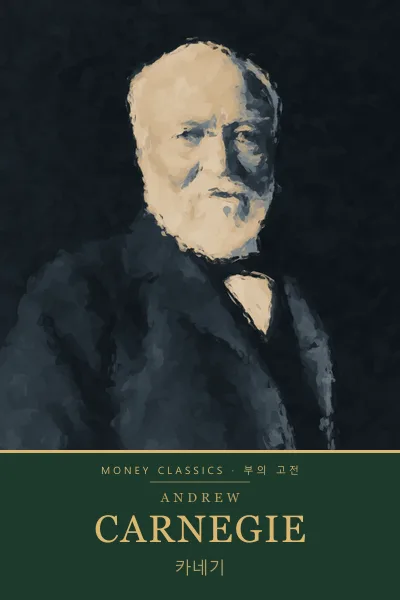
The Gospel of Wealth: Three Ways to Leave a Fortune
부의 복음: 재산을 남기는 세 가지 방법
Andrew Carnegie (1835–1919)
이야기
단어를 탭하면 번역돼요. 문장을 선택하면 형광펜을 칠하거나 학습 계획에 추가할 수 있어요.
In the first part of his essay, Carnegie argued that modern business naturally puts great fortunes into the hands of a few people.Next he asked what a rich person should do with the money that is left over after living well, and he found only three choices.
“Surplus wealth can be left to the family when the owner dies, it can be left for public purposes, or it can be given away by the owner during his own lifetime.The first way is the least wise. In Europe, great estates were passed to the eldest son so that the family name would live on, yet many of those families have since lost their fortunes through foolishness or falling land prices.
Why should anyone leave a great fortune to his children? If it is done out of love, is it not love that is badly aimed?Experience teaches that great sums left to children usually do them more harm than good.Parents should provide their families with a modest income, but a thoughtful father will soon say, ‘I would as soon leave my son a curse as the almighty dollar.’
The second way is to leave money for public use after death, but then a man must be content to wait until he is dead before his money does any good.Such gifts often fail to do what the giver wanted, because it takes as much skill to use wealth well as it took to earn it.Besides, a man who leaves his money only when he cannot take it with him deserves little thanks.
For this reason I welcome heavy taxes on large fortunes left at death, rising with the size of the estate and starting at nothing for modest sums left to family.Such a tax would push the rich to manage their wealth themselves while they are alive.
That leaves only the third way, and in it we have the true answer: the rich should use their surplus wealth during their own lives for the good of all.A school like the Cooper Institute in New York, built with Peter Cooper’s money, does far more lasting good than the same money scattered among many people in small sums, which would mostly be spent on passing pleasures.”
전체 번역먼저 이야기를 읽어 보고, 이해했는지 확인할 때만 열어 보세요.
에세이 앞부분에서 카네기는 현대의 사업이 자연히 큰 재산을 소수의 손에 쥐여 준다고 주장했어요. 이어서 카네기는 넉넉히 살고도 남는 돈을 부자가 어떻게 해야 하는지 묻고, 선택지는 세 가지뿐이라고 했어요.
"남는 부는 주인이 죽을 때 가족에게 남길 수도 있고, 공공의 목적을 위해 남길 수도 있고, 주인이 살아 있는 동안 직접 나누어 줄 수도 있습니다. 첫 번째 방법이 가장 현명하지 못합니다. 유럽에서는 가문의 이름이 이어지도록 큰 땅을 맏아들에게 물려주었지만, 그런 가문 중 많은 수가 어리석음이나 땅값 하락으로 재산을 잃었습니다.
왜 큰 재산을 자식에게 남겨야 합니까? 사랑해서 그렇게 한다면, 그것은 방향을 잘못 잡은 사랑이 아니겠습니까? 경험으로 보면, 자식에게 남긴 큰돈은 대개 득보다 해가 더 많습니다. 부모는 가족에게 적당한 수입은 마련해 주어야 하지만, 생각 깊은 아버지라면 곧 이렇게 말할 것입니다. '아들에게 전능한 돈을 남기느니 차라리 저주를 남기겠다.'
두 번째 방법은 죽은 뒤 공공을 위해 돈을 남기는 것이지만, 그러면 그 돈이 세상에 도움이 되기까지 자기가 죽을 때를 기다려야 합니다. 그런 기부는 흔히 기부한 사람이 바란 대로 쓰이지 못합니다. 부를 잘 쓰는 데에는 그것을 버는 데 든 것만큼의 능력이 필요하기 때문입니다. 게다가 가져갈 수 없게 되어서야 돈을 남기는 사람은 감사를 받을 자격이 거의 없습니다.
그래서 저는 죽을 때 남기는 큰 재산에 무거운 세금을 매기는 것을 환영합니다. 세금은 재산이 클수록 높아져야 하고, 가족에게 남기는 적당한 액수에는 전혀 매기지 않아야 합니다. 그런 세금은 부자들이 살아 있는 동안 스스로 재산을 관리하도록 이끌 것입니다.
그러면 세 번째 방법만 남습니다. 그 안에 참된 답이 있습니다. 부자는 살아 있는 동안 남는 부를 모두의 이익을 위해 써야 합니다. 피터 쿠퍼의 돈으로 세운 뉴욕의 쿠퍼 학교 같은 곳은, 같은 돈을 여러 사람에게 조금씩 나누어 주었을 때보다 훨씬 오래가는 이로움을 줍니다. 그렇게 나눈 돈은 대부분 잠깐의 즐거움에 쓰이고 말 테니까요."
내 돈에 적용하면
카네기는 큰 유산이 자녀에게서 일하고 성장할 이유를 빼앗을 수 있다고 걱정했어요. 백만장자가 아니어도 이 말은 중요해요. 돈을 벌고, 모으고, 나누는 법을 배우는 것이 물려받는 돈보다 더 값질 수 있거든요. 두 번째 요점도 누구에게나 해당돼요. 내 돈이 좋은 일에 쓰이기를 바란다면, 결과를 직접 보고 배울 수 있는 지금 시작하면 돼요. 작은 것이라도 돈에 관한 계획을 가족과 이야기하고, 나중에 아무도 짐작하지 않아도 되도록 바라는 바를 글로 분명히 남겨 두세요.
이해도 확인
1. How many ways of using surplus wealth does Carnegie name?
2. Why does Carnegie think leaving a great fortune to children is unwise?
3. What is one problem with leaving money for public use only at death?
4. What kind of tax does Carnegie welcome?
5. Which way does Carnegie believe is best?
핵심 단어
adjective
surplus
남는, 여분의
We gave the surplus food to a shelter.
우리는 남은 음식을 보호소에 주었어요.
한줄 요약
In 1–2 sentences, name Carnegie's three ways of using a fortune and say which one he thought was best.
출처: Adapted from Andrew Carnegie's essay "Wealth" (North American Review, June 1889), later known as "The Gospel of Wealth"; long in the public domain. This simplified version, the explainer and the Korean translation are original text written for SeoJae Story.
이 책의 이야기
책 소개 →The Gospel of Wealth · 3편 중 0편 읽음
다음 이야기 · 3편 중 3편
Giving Wisely
현명하게 베풀기 · 3 분 소요
다음 편 읽기북클럽과 함께 읽기
이 챕터를 북클럽과 공유하고 함께 이야기 나눠요.