
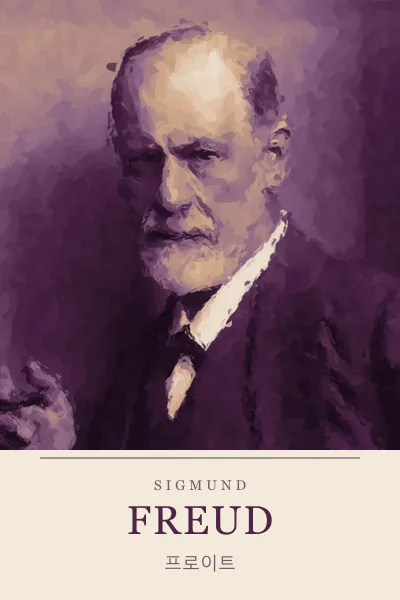
A General Introduction to Psychoanalysis: Not Master in Its Own House
정신분석 입문: 자기 집의 주인이 아닌 자아
Sigmund Freud (1856–1939)
이야기
단어를 탭하면 번역돼요. 문장을 선택하면 형광펜을 칠하거나 학습 계획에 추가할 수 있어요.
Near the end of his lectures, Freud explained why so many people were angry about psychoanalysis, and he described the mind with one of his most famous pictures.
“In the course of time, science has dealt two great blows to humanity’s simple love of itself.The first came when we learned that our earth is not the centre of the universe, but only a tiny speck in a system of unimaginable size; we connect this with the name of Copernicus.The second came when biology took away man’s special place in creation and showed that he is descended from the animal kingdom; this is the work of Charles Darwin.But the third and most painful blow comes from the psychology of today, which wants to prove to the ‘I’ that it is not even master in its own house.The ‘I’ must rely on scraps of information about all that goes on unconsciously in its own mind, and this is why there is such a revolt against our science.
Let us picture the unconscious as a large entrance hall, in which all the impulses of the mind push and crowd against one another.Next to it is a second, smaller room, a kind of sitting room, where consciousness lives.But on the doorway between the two rooms stands a watchman, who examines each impulse and will not let it into the sitting room if he does not approve of it.The impulses that push forward to the doorway and are sent back by the watchman cannot become conscious; we say that they are repressed.This same watchman is the resistance we meet when we try, in treatment, to bring repressed ideas back into the light.You will say that this picture is crude, and I agree; but the two rooms, the watchman between them, and consciousness watching from the far end of the second room, are not so far from the truth.”
전체 번역먼저 이야기를 읽어 보고, 이해했는지 확인할 때만 열어 보세요.
강의가 끝나 갈 무렵, 프로이트는 왜 그토록 많은 사람이 정신분석에 화를 내는지 설명하고, 자신의 가장 유명한 비유 가운데 하나로 마음을 묘사했어요.
"세월이 흐르는 동안 과학은 인류의 순진한 자기애에 두 번의 큰 타격을 주었다. 첫 번째는 우리의 지구가 우주의 중심이 아니라, 상상할 수도 없이 거대한 체계 속의 아주 작은 점에 지나지 않는다는 것을 알게 되었을 때였다. 우리는 이것을 코페르니쿠스라는 이름과 연결한다. 두 번째는 생물학이 창조에서 인간이 차지하던 특별한 자리를 빼앗고, 인간이 동물의 세계에서 내려왔다는 것을 보여 주었을 때였다. 이것은 찰스 다윈의 업적이다. 그러나 세 번째이자 가장 아픈 타격은 오늘날의 심리학에서 온다. 심리학은 '나'라는 자아가 자기 집에서조차 주인이 아니라는 것을 증명하려 한다. 자아는 자기 마음속에서 무의식적으로 일어나는 모든 일에 대해 보잘것없는 정보 조각에 기댈 수밖에 없다. 우리 학문에 대한 반발이 그토록 거센 까닭이 여기에 있다.
무의식을 커다란 현관방으로 그려 보자. 그곳에서는 마음의 온갖 충동이 서로 밀치며 북적인다. 그 옆에는 두 번째의 더 작은 방, 일종의 거실이 있고, 그곳에 의식이 산다. 그러나 두 방 사이의 문간에는 파수꾼이 서 있다. 파수꾼은 충동을 하나하나 살피고, 마음에 들지 않으면 거실로 들여보내지 않는다. 문간까지 밀고 나왔다가 파수꾼에게 돌려보내진 충동은 의식이 될 수 없다. 우리는 그런 충동이 억압되었다고 말한다. 이 파수꾼이 바로, 치료하면서 억압된 생각을 다시 밝은 곳으로 끌어내려 할 때 우리가 마주치는 저항이다. 이 그림이 조잡하다고 말하겠지만, 나도 그렇게 생각한다. 그러나 두 방, 그 사이의 파수꾼, 그리고 두 번째 방 끝에서 지켜보는 의식은 진실에서 그리 멀지 않다."
쉽게 말하면
프로이트는 자신을 사람들이 스스로를 더 작게 느끼게 만든 사상가들의 계보에 올려놓아요. 코페르니쿠스는 우리를 우주의 중심에서 밀어냈고, 다윈은 우리를 동물들 사이에 두었어요. 프로이트 자신이 날린 타격은 우리가 자기 마음을 완전히 알지도, 다스리지도 못한다는 거예요. 우리를 움직이는 것의 많은 부분이 무의식이에요. 프로이트의 그림에서는 반갑지 않은 바람들이 북적이는 현관방에서 기다리고, 파수꾼이 그것들을 의식의 방에 들이지 않아요. 이렇게 들이지 않는 것을 억압이라고 해요. 프로이트의 이론 가운데 많은 부분은 오늘날 논쟁거리지만, '무의식', '억압', '저항' 같은 말은 온 세상이 마음에 대해 이야기하는 방식의 일부가 되었어요.
원문
이제 원문으로 읽어 보세요
방금 읽은 건 쉽게 다시 쓴 이야기예요. 이번엔 작가가 쓴 그대로의 원문을 줄이지 않고, 짧게 나눠서 읽어 보세요.
Eighteenth and Nineteenth Lectures · 10,318 단어 · 22 개의 짧은 읽기
원문 읽기이해도 확인
1. What was the first great blow to humanity's self-love?
2. Which thinker does Freud connect with the second blow?
3. What does the third blow say about the 'I'?
4. In Freud's picture, what does the large entrance hall stand for?
5. What happens to impulses that the watchman sends back?
핵심 단어
noun
blow
타격, 충격
Losing the final was a heavy blow to the team.
결승전 패배는 그 팀에게 큰 타격이었어요.
한줄 요약
In 1–2 sentences, name the three great blows to human self-love and explain the picture of the two rooms and the watchman.
출처: Adapted from the Eighteenth and Nineteenth Lectures of Sigmund Freud's "A General Introduction to Psychoanalysis" (1917), in the 1920 English translation with a preface by G. Stanley Hall (long in the public domain, Project Gutenberg #38219). This simplified version, the explainer and the Korean translation are original text written for SeoJae Story.
이 책의 이야기
책 소개 →A General Introduction to Psychoanalysis · 3편 중 0편 읽음
지금까지 준비된 이야기를 모두 읽었어요. 새로운 챕터가 곧 추가돼요.
북클럽과 함께 읽기
이 챕터를 북클럽과 공유하고 함께 이야기 나눠요.