
The Art of Money Getting: Spend Less Than You Earn
돈 버는 기술: 버는 것보다 적게 써라
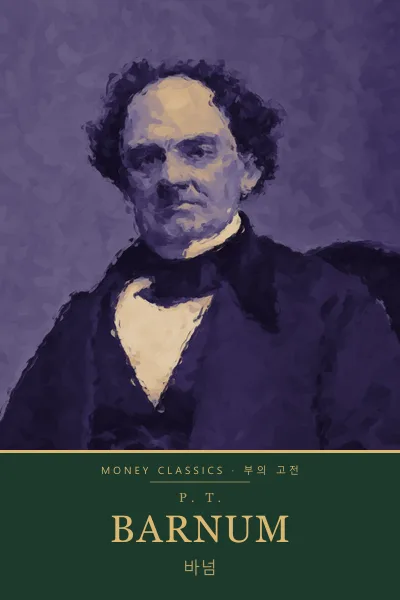
P. T. Barnum (1810–1891)
이야기
단어를 탭하면 번역돼요. 문장을 선택하면 형광펜을 칠하거나 학습 계획에 추가할 수 있어요.
P. T. Barnum was the most famous showman in nineteenth-century America, the man behind a giant New York museum and, later, the circus he called “The Greatest Show on Earth.”He made a fortune, lost nearly all of it through a bad investment, and earned it back again, so he knew from experience how hard money is to keep.He gave a lecture called “The Art of Money Getting” to crowds in America and Britain, and later published it as a short book.
“In a country with more land than people, it is not difficult for anyone who is healthy and willing to work to make money. The hard thing is to keep it.The road to wealth, as Dr. Franklin says, is as plain as the road to the mill: it consists simply in spending less than we earn.Mr. Micawber, in Dickens’s novel, puts it well: to earn twenty pounds a year and spend twenty pounds and sixpence is to be the most miserable of men, while to earn twenty pounds and spend nineteen pounds and sixpence is to be the happiest.
Many people think they understand economy when they do not. Economy is not meanness, and saving candle ends while you waste money elsewhere is not economy at all.I have known a farmer’s wife who would not light a second candle for her guest to read by, yet thought nothing of going to the village to spend thirty dollars on ribbons she did not need.That is what we call being ‘penny wise and pound foolish.’
True economy means always making your income greater than your spending. Wear the old clothes a little longer, mend the old dress, and live on plainer food if you must.If you have a good income but nothing left at the end of the year, here is my cure: write down every item you spend money on, in two columns, one for necessities and one for luxuries.You will find that the second column is double, three times, and often ten times bigger than the first.
It is the eyes of others, not our own eyes, that ruin us. Many families stay poor because they try to keep up appearances and match their richer neighbors.A rich gentleman I know told me that one elegant sofa his wife bought cost him thirty thousand dollars: the chairs had to match the sofa, the tables had to match the chairs, and at last a new house had to be built to match them all.”
전체 번역먼저 이야기를 읽어 보고, 이해했는지 확인할 때만 열어 보세요.
P. T. 바넘은 19세기 미국에서 가장 유명한 흥행사였어요. 뉴욕의 거대한 박물관을 세웠고, 나중에는 '지상 최대의 쇼'라고 이름 붙인 서커스를 만든 사람이에요. 바넘은 큰돈을 벌었다가 잘못된 투자로 거의 다 잃고 다시 벌어들였기 때문에, 돈을 지키기가 얼마나 어려운지 경험으로 알았어요. 바넘은 미국과 영국의 청중 앞에서 '돈 버는 기술'이라는 강연을 했고, 나중에 그 강연을 짧은 책으로 펴냈어요.
"사람보다 땅이 더 많은 나라에서는, 건강하고 일할 마음만 있다면 누구든 돈을 버는 일은 어렵지 않습니다. 어려운 것은 그 돈을 지키는 일입니다. 프랭클린 박사의 말처럼 부에 이르는 길은 방앗간 가는 길만큼이나 뻔합니다. 버는 것보다 적게 쓰면 그만입니다. 디킨스의 소설 속 미코버 씨가 이를 잘 말해 줍니다. 한 해에 이십 파운드를 벌어 이십 파운드 육 펜스를 쓰면 세상에서 가장 비참한 사람이 되고, 이십 파운드를 벌어 십구 파운드 육 펜스를 쓰면 가장 행복한 사람이 된다고요.
많은 사람이 절약을 안다고 생각하지만 실은 그렇지 않습니다. 절약은 인색함이 아니며, 다른 데서 돈을 낭비하면서 타다 남은 초 토막이나 아끼는 것은 절약이 전혀 아닙니다. 제가 아는 한 농가의 안주인은 손님이 책을 읽도록 초를 하나 더 켜 주지 않았지만, 마을에 나가 필요도 없는 리본에 삼십 달러를 쓰는 데는 아무 거리낌이 없었습니다. 이런 것을 두고 '푼돈에는 밝고 큰돈에는 어둡다'고 합니다.
참된 절약이란 언제나 수입이 지출보다 많게 하는 것입니다. 필요하다면 헌 옷을 조금 더 오래 입고, 낡은 드레스는 기워 입고, 더 소박한 음식을 드십시오. 수입은 괜찮은데 연말에 남는 돈이 없다면 제 처방을 써 보십시오. 돈을 쓰는 항목을 하나하나 적되, 한 칸에는 필수품을, 다른 칸에는 사치품을 적는 것입니다. 그러면 두 번째 칸이 첫 번째 칸의 두 배, 세 배, 때로는 열 배나 된다는 것을 알게 될 것입니다.
우리를 망치는 것은 우리 자신의 눈이 아니라 남의 눈입니다. 많은 가정이 체면을 차리고 더 부유한 이웃을 따라가려다 가난에서 벗어나지 못합니다. 제가 아는 한 부유한 신사는 아내가 산 우아한 소파 하나 때문에 삼만 달러를 썼다고 했습니다. 의자는 소파에 맞춰야 했고, 탁자는 의자에 맞춰야 했고, 결국 그 모든 것에 어울리는 새집까지 지어야 했다는 것입니다."
내 돈에 적용하면
바넘의 규칙은 단순해요. 부는 얼마나 버느냐가 아니라, 버는 돈과 쓰는 돈 사이의 차이라는 거예요. 바넘의 두 칸 공책은 지금도 통해요. 한 달 동안 모든 지출을 '필요'와 '욕구'로 나눠 적어 보면, 돈이 어디로 새는지 대개 '욕구' 칸이 알려 줘요. 친구들의 여행과 차와 가방이 매일 휴대폰에 뜨는 요즘엔 체면을 따라가기가 더 쉬워요. 그러니 이 물건을 나를 위해 사는지, 남의 눈을 위해 사는지 물어보세요. '소파 효과'도 조심하세요. 수입이 오르면 물건 하나를 바꾼 것이 다른 많은 것을 끌어들여, 지출이 조용히 늘어나 오른 월급을 다 삼켜 버리거든요.
원문
이제 원문으로 읽어 보세요
방금 읽은 건 쉽게 다시 쓴 이야기예요. 이번엔 작가가 쓴 그대로의 원문을 줄이지 않고, 짧게 나눠서 읽어 보세요.
Opening and economy · 3,533 단어 · 8 개의 짧은 읽기
원문 읽기이해도 확인
1. According to Barnum, what is harder than making money?
2. What is "true economy", according to Barnum?
3. Why is the farmer's wife's saving a false economy?
4. What does Barnum advise people with no money left at the end of the year to do?
5. What does the story of the sofa show?
핵심 단어
noun
showman
흥행사, 쇼를 기획하는 사람
The showman filled the tent with curious visitors.
그 흥행사는 호기심 많은 관객들로 천막을 가득 채웠어요.
한줄 요약
In 1–2 sentences, explain what Barnum calls "true economy" and how his two-column notebook helps.
출처: Adapted from P. T. Barnum's "The Art of Money Getting, or Golden Rules for Making Money" (1880), a lecture he first gave in the 1850s (long in the public domain, Project Gutenberg #8581). This simplified version, the explainer and the Korean translation are original text written for SeoJae Story.
이 책의 이야기
책 소개 →The Art of Money Getting · 3편 중 0편 읽음
다음 이야기 · 3편 중 2편
The Right Work, and No Debt
맞는 일을 고르고 빚을 지지 마라 · 3 분 소요
다음 편 읽기북클럽과 함께 읽기
이 챕터를 북클럽과 공유하고 함께 이야기 나눠요.