
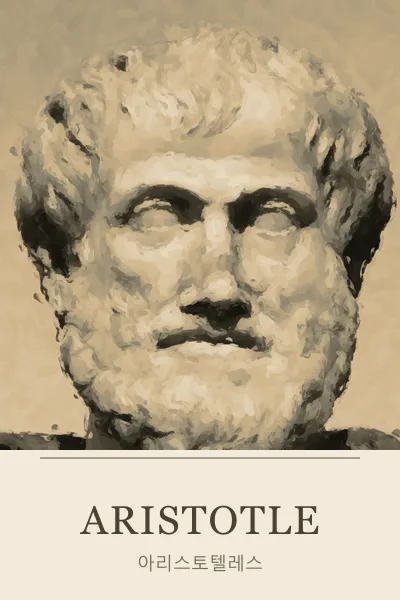
Nicomachean Ethics: We Become What We Do
니코마코스 윤리학: 우리는 행하는 대로 된다
Aristotle (384–322 BC)
이야기
단어를 탭하면 번역돼요. 문장을 선택하면 형광펜을 칠하거나 학습 계획에 추가할 수 있어요.
In the second book, Aristotle turns from happiness to virtue: the good qualities of character that a happy life needs.His question is practical: where do these qualities come from?
“There are two kinds of excellence: excellence of the mind and excellence of character.Excellence of the mind grows mostly through teaching, and so it needs experience and time.Excellence of character comes from habit; in fact, the Greek word for it comes from the word for habit.So none of the virtues is in us by nature.A stone naturally falls down, and you could not teach it to rise, not even by throwing it up ten thousand times.
Nature gives us the ability to receive the virtues, and habit makes them complete.We do not get our eyes by seeing often; we had them first and then used them.But with the virtues it is the other way round: we get them by first doing them, as with the arts.People become builders by building and harp players by playing the harp.In the same way, we become just by doing just acts, self-controlled by doing self-controlled acts, and brave by doing brave acts.
The same activity can also ruin us: good builders come from building well, and bad builders from building badly.If this were not so, nobody would need a teacher.In a word, our characters are formed by our repeated actions.So it makes no small difference what habits we form from childhood; it makes a very great difference, or rather, all the difference.”
전체 번역먼저 이야기를 읽어 보고, 이해했는지 확인할 때만 열어 보세요.
두 번째 권에서 아리스토텔레스는 행복에서 덕으로 넘어가요. 행복한 삶에 필요한 좋은 성품을 말하죠. 질문은 실용적이에요. 이런 성품은 어디에서 올까요?
"탁월함에는 두 종류가 있다. 지성의 탁월함과 성품의 탁월함이다. 지성의 탁월함은 주로 가르침을 통해 자라므로, 경험과 시간이 필요하다. 성품의 탁월함은 습관에서 온다. 실제로 이것을 가리키는 그리스어는 습관을 뜻하는 말에서 나왔다. 그러므로 어떤 덕도 본성적으로 우리 안에 있지는 않다. 돌은 본래 아래로 떨어지므로, 만 번을 위로 던져도 올라가도록 길들일 수는 없다.
본성은 우리에게 덕을 받아들일 능력을 주고, 습관이 그 덕을 완성한다. 우리는 자주 봐서 눈을 얻은 것이 아니다. 먼저 눈이 있었고, 그다음에 썼다. 그러나 덕은 그 반대다. 기술과 마찬가지로, 먼저 행함으로써 덕을 얻는다. 사람은 집을 지으면서 건축가가 되고, 하프를 연주하면서 하프 연주자가 된다. 마찬가지로 우리는 정의로운 일을 하면서 정의로워지고, 절제하는 일을 하면서 절제하게 되며, 용감한 일을 하면서 용감해진다.
같은 활동이 우리를 망칠 수도 있다. 집을 잘 지으면 좋은 건축가가 되고, 잘못 지으면 나쁜 건축가가 된다. 그렇지 않다면 아무도 스승이 필요하지 않을 것이다. 한마디로, 우리의 성품은 되풀이하는 행동으로 만들어진다. 그러므로 어려서부터 어떤 습관을 들이느냐는 작은 차이가 아니다. 아주 큰 차이, 아니 모든 차이를 만든다."
쉽게 말하면
아리스토텔레스는 아무도 친절하거나 용감하거나 정직하게 태어나지 않는다고 말해요. 연습해서 그렇게 되는 거예요. 착하게 사는 것은 피아노를 배우는 것과 같아요. 용감해졌다고 느낄 때까지 기다리지 말고, 용감하게 행동하기를 거듭하면 그것이 내 모습이 돼요. 나쁜 소식은 나쁜 습관도 똑같이 작동한다는 거예요. 그래서 아리스토텔레스는 어릴 때 들이는 습관이 무엇보다 중요하다고 생각해요.
원문
이제 원문으로 읽어 보세요
방금 읽은 건 쉽게 다시 쓴 이야기예요. 이번엔 작가가 쓴 그대로의 원문을 줄이지 않고, 짧게 나눠서 읽어 보세요.
Book II, chapters I–II · 2,003 단어 · 4 개의 짧은 읽기
원문 읽기이해도 확인
1. Where does excellence of character come from?
2. What does the example of the stone show?
3. How is getting virtues different from getting our eyes?
4. How do people become brave, according to Aristotle?
5. How much difference do our childhood habits make?
핵심 단어
noun
virtue
덕, 미덕
Patience is a virtue.
인내는 미덕이에요.
한줄 요약
In 1–2 sentences, say how Aristotle thinks we become good, and what builders and harp players have to do with it.
출처: Adapted from Book II, chapters I–II of Aristotle's "Nicomachean Ethics" (4th century BC), in D. P. Chase's English translation (long in the public domain, Project Gutenberg #8438). This simplified version, the explainer and the Korean translation are original text written for SeoJae Story.
이 책의 이야기
책 소개 →Nicomachean Ethics · 3편 중 0편 읽음
다음 이야기 · 3편 중 3편
The Golden Mean
중용 · 3 분 소요
다음 편 읽기북클럽과 함께 읽기
이 챕터를 북클럽과 공유하고 함께 이야기 나눠요.