
Progress and Poverty: Why Progress Brings Poverty
진보와 빈곤: 진보는 왜 가난을 낳을까
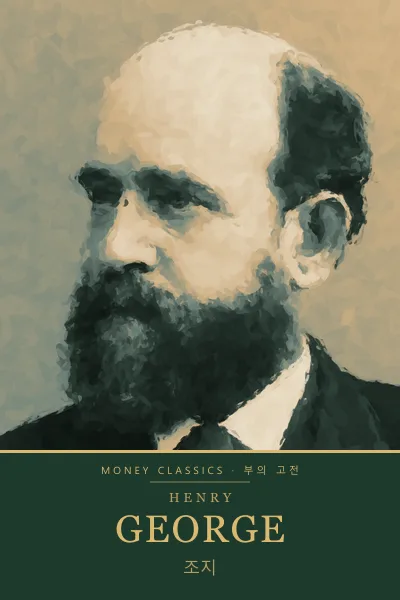
Henry George (1839–1897)
이야기
단어를 탭하면 번역돼요. 문장을 선택하면 형광펜을 칠하거나 학습 계획에 추가할 수 있어요.
Henry George was an American printer and journalist who taught himself economics while living in poverty in San Francisco.In 1879 he published Progress and Poverty, which asked one simple question: why does poverty grow as a country grows richer?
“This century has seen an enormous increase in the power to produce wealth, through steam, electricity and labour-saving machinery.It was natural to expect that these inventions would lighten the work of the labourer and make real poverty a thing of the past.Yet where population is densest, wealth greatest and machinery most developed, we find the deepest poverty and the sharpest struggle to live.
In a new settlement, where the best house is a log cabin, no one is rich, but there are no beggars either.But as the village grows into a city, some get a far easier living, while others can hardly make a living at all.It is as though an immense wedge were being forced, not underneath society, but through society.Those above the point of separation are lifted up, but those below are crushed down.”
George’s answer to this puzzle, as the next parts show, was land.The book sold millions of copies and became one of the most widely read books of its century in America.
전체 번역먼저 이야기를 읽어 보고, 이해했는지 확인할 때만 열어 보세요.
헨리 조지는 샌프란시스코에서 가난하게 살며 경제학을 독학한 미국의 인쇄공이자 기자였어요. 1879년에는 『진보와 빈곤』을 펴냈는데, 이 책은 한 가지 단순한 질문을 던졌어요. 나라가 부유해질수록 왜 가난도 함께 커질까요?
"이번 세기에는 증기와 전기와 노동을 덜어 주는 기계 덕분에 부를 만들어 내는 힘이 엄청나게 커졌습니다. 이런 발명들이 노동자의 일을 덜어 주고 진짜 가난을 과거의 일로 만들 거라고 기대하는 것은 자연스러웠습니다. 그런데 인구가 가장 빽빽하고 부가 가장 크며 기계가 가장 발달한 곳에서, 우리는 가장 깊은 가난과 가장 치열한 생존 경쟁을 봅니다.
가장 좋은 집이 통나무 오두막인 새 정착지에서는 아무도 부자가 아니지만, 거지도 없습니다. 그러나 마을이 도시로 커 가면서 어떤 사람은 훨씬 편하게 살게 되고, 어떤 사람은 먹고살기조차 힘들어집니다. 마치 거대한 쐐기가 사회 밑이 아니라 사회 한가운데를 뚫고 박히는 것과 같습니다. 갈라지는 지점 위에 있는 사람들은 들어 올려지지만, 그 아래에 있는 사람들은 짓눌립니다."
다음 편들에서 보듯이, 이 수수께끼에 대한 조지의 답은 땅이었어요. 이 책은 수백만 부가 팔렸고, 그 세기 미국에서 가장 널리 읽힌 책 가운데 하나가 되었어요.
내 돈에 적용하면
조지는 1879년에 글을 썼지만, 그 질문은 요즘 이야기처럼 들려요. 기술은 계속 발전하는데, 왜 이렇게 많은 사람이 여전히 힘들까요? 조지가 말한 '쐐기'는 불평등을 그린 그림이에요. 발전이 위에 있는 사람은 끌어올리고, 아래에 있는 사람은 밀어 내려요. 오늘날 경제학자들은 이것이 얼마나 맞는지 논쟁해요. 조지의 시대 이후 평균 생활 수준은 크게 올랐으니까요. 하지만 커 가는 도시에서 월세가 월급보다 빨리 오르는 것을 지켜본 사람이라면 조지의 분노를 이해할 거예요.
원문
이제 원문으로 읽어 보세요
방금 읽은 건 쉽게 다시 쓴 이야기예요. 이번엔 작가가 쓴 그대로의 원문을 줄이지 않고, 짧게 나눠서 읽어 보세요.
Introductory, The Problem · 3,339 단어 · 7 개의 짧은 읽기
원문 읽기이해도 확인
1. What question did Progress and Poverty ask?
2. What did people expect the new inventions to do?
3. Where does George find the deepest poverty?
4. What is there none of in a new settlement, according to George?
5. What happens to people below the 'point of separation'?
핵심 단어
noun
poverty
가난, 빈곤
Millions of children still live in poverty.
수백만 명의 아이들이 아직도 가난 속에 살아요.
한줄 요약
In 1–2 sentences, explain the puzzle Henry George wanted to solve.
출처: Adapted from the introduction, "The Problem", of Henry George's "Progress and Poverty" (1879), written in English and long in the public domain (Project Gutenberg #55308). This simplified version, the explainer and the Korean translation are original text written for SeoJae Story.
이 책의 이야기
책 소개 →Progress and Poverty · 3편 중 0편 읽음
다음 이야기 · 3편 중 2편
The Settler on the Prairie
초원의 정착민 · 2 분 소요
다음 편 읽기북클럽과 함께 읽기
이 챕터를 북클럽과 공유하고 함께 이야기 나눠요.