
Self-Reliance: Trust Yourself
자기신뢰: 너 자신을 믿어라
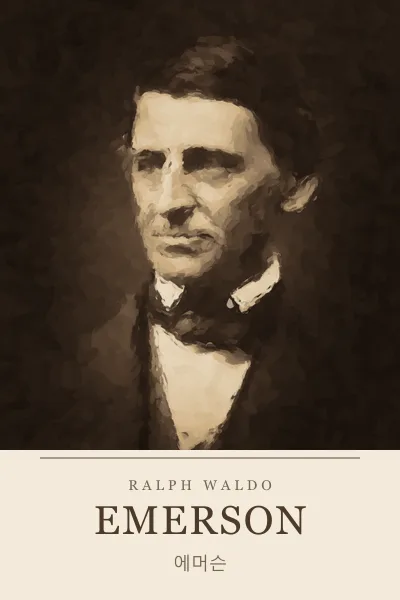
Ralph Waldo Emerson (1803–1882)
이야기
단어를 탭하면 번역돼요. 문장을 선택하면 형광펜을 칠하거나 학습 계획에 추가할 수 있어요.
Ralph Waldo Emerson was an American essayist and poet, and a friend and teacher of Henry David Thoreau.His essay Self-Reliance, published in 1841, became one of the most famous calls in American writing to think for yourself.
“To believe your own thought, to believe that what is true for you in your private heart is true for all people: that is genius.Speak what you truly believe, and it will become what everyone feels.We admire Moses, Plato and Milton most because they ignored books and traditions and said not what others thought, but what they thought.A person should learn to notice the flash of light that crosses his own mind, more than the shine of poets and wise men.Yet he ignores his thought, just because it is his.In every work of genius we recognise our own rejected thoughts; they come back to us with a strange greatness.
Tomorrow a stranger will say, with great good sense, exactly what we have thought and felt all along, and we will be forced to take our own opinion from another, with shame.There comes a time in every person’s education when he understands that envy is ignorance, that imitation is suicide, and that he must accept himself, for better or for worse.The power inside him is new in nature, and nobody but he knows what he can do, and he does not know either until he has tried.
Trust thyself: every heart vibrates to that iron string.Look at children and babies: they are not divided against themselves, and they do not distrust a feeling because someone has counted the reasons against it.A baby obeys nobody; everybody obeys the baby.”
전체 번역먼저 이야기를 읽어 보고, 이해했는지 확인할 때만 열어 보세요.
랠프 월도 에머슨은 미국의 수필가이자 시인이었고, 헨리 데이비드 소로의 친구이자 스승이었어요. 1841년에 발표한 수필 「자기신뢰」는 스스로 생각하라고 외친 미국 글 가운데 가장 유명한 글이 되었어요.
"자기 생각을 믿는 것, 내 마음속에서 나에게 참인 것이 모든 사람에게도 참이라고 믿는 것, 그것이 천재성이다. 진심으로 믿는 것을 말하라. 그러면 그것은 모두가 느끼는 것이 될 것이다. 우리가 모세와 플라톤과 밀턴을 가장 높이 사는 까닭은, 그들이 책과 전통을 무시하고 남들의 생각이 아니라 자기 생각을 말했기 때문이다. 사람은 시인과 현자들의 빛보다, 자기 마음을 스치는 섬광을 알아차리는 법을 배워야 한다. 그런데 사람은 자기 생각을, 그것이 자기 것이라는 이유만으로 무시한다. 모든 천재의 작품에서 우리는 우리가 버린 생각들을 알아본다. 그 생각들은 낯선 위엄을 띠고 우리에게 돌아온다.
내일 어떤 낯선 사람이 아주 그럴듯하게, 우리가 줄곧 생각하고 느껴 온 바로 그것을 말할 것이고, 우리는 부끄러워하며 우리 자신의 의견을 남에게서 받아들여야 할 것이다. 누구에게나 배움의 과정에서, 질투는 무지이고 모방은 자살이며, 좋든 나쁘든 자기 자신을 받아들여야 한다는 것을 깨닫는 때가 온다. 그 사람 안의 힘은 자연에서 새로운 것이어서, 그 사람이 무엇을 할 수 있는지는 그 자신 말고는 아무도 모르며, 본인도 해 보기 전까지는 모른다.
너 자신을 믿어라. 모든 마음은 그 강철 줄에 맞춰 울린다. 아이들과 아기들을 보라. 그들은 자기 자신과 다투지 않고, 누군가 반대 이유를 셈해 보였다고 해서 자기 느낌을 의심하지 않는다. 아기는 아무에게도 따르지 않는다. 모두가 아기를 따른다."
쉽게 말하면
에머슨의 메시지는 간단해요. 내 생각은 귀 기울일 가치가 있다는 거예요. 우리는 좋은 생각이 '그저 내 것'이라는 이유로 무시하다가, 나중에 유명한 사람이 똑같은 말을 하면 민망해하곤 해요. '모방은 자살이다'는 남을 따라 하면 오직 나만 줄 수 있는 것을 죽이게 된다는 뜻이에요. 내가 무엇을 할 수 있는지는 해 보기 전까지 아무도, 나 자신조차 몰라요.
원문
이제 원문으로 읽어 보세요
방금 읽은 건 쉽게 다시 쓴 이야기예요. 이번엔 작가가 쓴 그대로의 원문을 줄이지 않고, 짧게 나눠서 읽어 보세요.
Self-Reliance (opening) · 1,120 단어 · 2 개의 짧은 읽기
원문 읽기이해도 확인
1. What does Emerson call 'genius'?
2. Why do we admire Moses, Plato and Milton, according to Emerson?
3. What happens when we ignore our own thoughts?
4. 'Envy is ignorance; imitation is…' How does it end?
5. Why does Emerson mention babies?
핵심 단어
noun
genius
천재성, 천재
Her genius for music showed when she was five.
그 아이의 음악적 천재성은 다섯 살 때 드러났어요.
한줄 요약
In 1–2 sentences, say what Emerson means by 'Trust thyself', and why he says envy is ignorance and imitation is suicide.
출처: Adapted from the opening of Ralph Waldo Emerson's essay "Self-Reliance" (1841), written in English and long in the public domain (Project Gutenberg #2944). This simplified version, the explainer and the Korean translation are original text written for SeoJae Story.
이 책의 이야기
책 소개 →Self-Reliance · 3편 중 0편 읽음
다음 이야기 · 3편 중 2편
To Be Great Is to Be Misunderstood
위대하다는 것은 오해받는 것 · 2 분 소요
다음 편 읽기북클럽과 함께 읽기
이 챕터를 북클럽과 공유하고 함께 이야기 나눠요.