
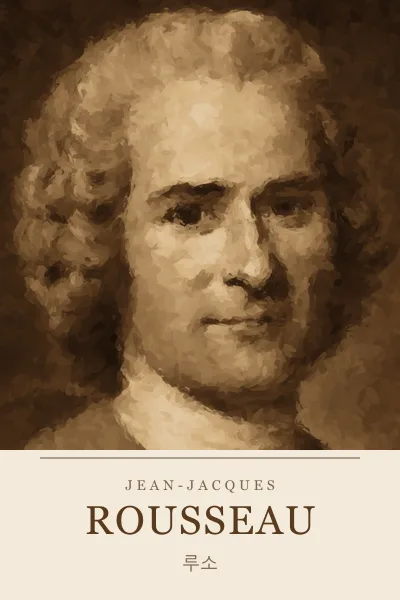
The Social Contract: Born Free, Everywhere in Chains
사회계약론: 사람은 자유롭게 태어났다
Jean-Jacques Rousseau (1712–1778)
이야기
단어를 탭하면 번역돼요. 문장을 선택하면 형광펜을 칠하거나 학습 계획에 추가할 수 있어요.
Jean-Jacques Rousseau was born in Geneva, the son of a watchmaker, and became one of the most influential writers of the 18th century.His book The Social Contract asks a bold question: what can make a government’s power over us legitimate?Its ideas later inspired the French Revolution.
“Man is born free, and everywhere he is in chains.One man thinks himself the master of others, and yet he is more of a slave than they are.How did this change come about? I do not know.What can make it legitimate? That question I think I can answer.
The oldest of all societies, and the only natural one, is the family.But even the children stay bound to the father only as long as they need him to survive.When that need ends, the natural bond is broken, and if they stay together after that, they do so by choice.
The strongest is never strong enough to be always the master, unless he turns strength into right and obedience into duty.But force is a physical power, and I do not see how it can create a moral duty.To give in to force is an act of necessity, not of will.If a robber stops me at the edge of a wood with a pistol, I must hand over my purse; but if I could keep it, would I still be bound in conscience to give it to him?Let us admit, then, that force does not create right, and that we must obey only legitimate powers.”
전체 번역먼저 이야기를 읽어 보고, 이해했는지 확인할 때만 열어 보세요.
장자크 루소는 제네바에서 시계공의 아들로 태어나 18세기에 가장 큰 영향을 끼친 작가 가운데 한 사람이 되었어요. 『사회계약론』은 대담한 질문을 던져요. 무엇이 우리를 다스리는 정부의 힘을 정당하게 만들 수 있을까요? 이 책의 생각은 훗날 프랑스 혁명에 영감을 주었어요.
"인간은 자유롭게 태어났지만, 어디에서나 사슬에 묶여 있다. 어떤 사람은 자기가 남들의 주인이라고 생각하지만, 그들보다 더 노예다. 어떻게 이렇게 바뀌었는가? 나는 모른다. 무엇이 그것을 정당하게 만들 수 있는가? 그 질문에는 답할 수 있다고 생각한다.
모든 사회 가운데 가장 오래되고 유일하게 자연스러운 사회는 가족이다. 그러나 자녀들조차 살아남기 위해 아버지가 필요한 동안에만 아버지에게 묶여 있다. 그 필요가 끝나면 자연스러운 끈은 풀리고, 그 뒤에도 함께 지낸다면 그것은 스스로 선택한 것이다.
가장 강한 자도 힘을 권리로, 복종을 의무로 바꾸지 않는 한, 언제까지나 주인이 될 만큼 강하지는 않다. 그러나 힘은 물리적인 힘일 뿐이니, 그것이 어떻게 도덕적 의무를 만들어 낼 수 있는지 나는 모르겠다. 힘에 굴복하는 것은 필요에 따른 행동이지, 의지에 따른 행동이 아니다. 숲 가장자리에서 강도가 권총을 들이대면 나는 지갑을 내줘야 한다. 그러나 지킬 수 있다면, 그래도 양심상 그것을 내줄 의무가 있을까? 그러니 힘은 권리를 만들지 않으며, 우리는 정당한 권력에만 복종해야 한다는 것을 인정하자."
쉽게 말하면
루소의 유명한 첫 문장은 항의예요. 사람은 본래 자유로운데, 어디서나 통치자 아래에서 살고 있으니까요. 루소는 모든 정부가 잘못이라고 말하지 않아요. 무엇이 정부의 힘을 공정하게 만드는지 묻죠. 그 답은 힘을 빼는 데서 시작해요. 더 강하면 힘은 생기지만, 복종받을 권리는 생기지 않아요. 권총을 든 강도처럼, 힘만 가진 통치자는 의무가 아니라 두려움 때문에 복종을 받을 뿐이에요.
원문
이제 원문으로 읽어 보세요
방금 읽은 건 쉽게 다시 쓴 이야기예요. 이번엔 작가가 쓴 그대로의 원문을 줄이지 않고, 짧게 나눠서 읽어 보세요.
Book I, chapters I–III · 1,247 단어 · 3 개의 짧은 읽기
원문 읽기이해도 확인
1. What is the famous first line of The Social Contract?
2. Which question does Rousseau say he can answer?
3. What happens to the family bond when children no longer need their father to survive?
4. Why does Rousseau tell the story of the robber with a pistol?
5. Which powers should we obey, according to Rousseau?
핵심 단어
noun
chains
사슬, 속박
The prisoner was kept in chains.
그 죄수는 사슬에 묶여 있었어요.
한줄 요약
In 1–2 sentences, say why Rousseau thinks force cannot give anyone the right to rule.
출처: Adapted from Book I, chapters I–III of Jean-Jacques Rousseau's "The Social Contract" (1762), in G. D. H. Cole's English translation (long in the public domain, Project Gutenberg #46333). This simplified version, the explainer and the Korean translation are original text written for SeoJae Story.
이 책의 이야기
책 소개 →The Social Contract · 3편 중 0편 읽음
다음 이야기 · 3편 중 2편
The Great Agreement
모두가 함께 맺는 약속 · 2 분 소요
다음 편 읽기북클럽과 함께 읽기
이 챕터를 북클럽과 공유하고 함께 이야기 나눠요.