
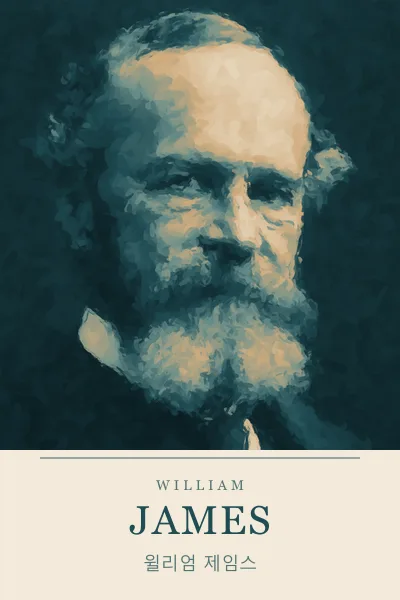
Talks to Teachers on Psychology: The Laws of Habit
교사들에게 들려주는 심리학: 습관의 법칙
William James (1842–1910)
이야기
단어를 탭하면 번역돼요. 문장을 선택하면 형광펜을 칠하거나 학습 계획에 추가할 수 있어요.
William James was an American doctor who became one of the founders of modern psychology, and in 1899 he gave a famous set of talks to schoolteachers.His chapter on habit is still one of the most quoted things ever written on the subject.
“When people use the word ‘habit’, they usually mean a bad habit, like smoking or swearing; but in fact our virtues are habits just as much as our vices.All our life, so far as it has a definite form, is but a mass of habits.The first time we do something, it is difficult; but soon we do it more and more easily, and in the end we do it almost without thinking at all.Our nervous system grows to the way it has been used, just as a sheet of paper, once folded, tends to fall forever afterwards into the same fold.
The great thing in all education is to make our nervous system our ally instead of our enemy.The more of the details of daily life we can hand over to habit, the more our higher powers of mind will be set free for their own proper work.There is no more miserable person than one for whom nothing is habitual except indecision, who must decide afresh every day when to get up, when to go to bed and when to begin each piece of work.
When we start a new habit or drop an old one, we must launch ourselves with as strong and decided a start as possible: make a public promise, if you can, and surround your decision with every help you know.I once read in an Austrian newspaper an advertisement by a man named Rudolph, who promised a reward to anyone who found him at a certain wine shop, ‘because of a promise which I have made my wife’.Second, never allow an exception until the new habit is firmly rooted in your life.Each slip is like dropping a ball of string that you are carefully winding up: a single slip undoes more than many turns can wind again.”
전체 번역먼저 이야기를 읽어 보고, 이해했는지 확인할 때만 열어 보세요.
윌리엄 제임스는 미국의 의사였다가 현대 심리학을 세운 사람 가운데 한 명이 되었어요. 1899년에는 학교 교사들을 위한 유명한 강연을 했어요. 습관에 관한 장은 지금도 이 주제에 관해 쓰인 글 가운데 가장 많이 인용되는 글 가운데 하나예요.
"사람들이 '습관'이라는 말을 쓸 때는 대개 담배나 욕설 같은 나쁜 습관을 뜻한다. 그러나 사실 우리의 미덕도 악덕과 똑같이 습관이다. 우리의 삶 전체는, 일정한 모습을 갖추고 있는 한, 습관의 덩어리일 뿐이다. 어떤 일을 처음 할 때는 어렵다. 하지만 곧 점점 더 쉽게 하게 되고, 결국에는 거의 아무 생각 없이 하게 된다. 우리의 신경계는 쓰인 방식대로 자라난다. 한 번 접힌 종이가 그 뒤로 영원히 같은 자리로 접히려 하는 것과 같다.
모든 교육에서 가장 중요한 일은 우리의 신경계를 적이 아니라 우리 편으로 만드는 것이다. 일상의 세세한 일을 습관에 더 많이 맡길수록, 우리 정신의 더 높은 힘은 그만큼 더 자유로워져 제 일을 할 수 있다. 망설임 말고는 아무것도 습관이 되지 않아서, 언제 일어나고 언제 잠자리에 들며 언제 일을 시작할지를 날마다 새로 정해야 하는 사람보다 더 비참한 사람은 없다.
새 습관을 들이거나 옛 습관을 버릴 때는 될 수 있는 한 강하고 단호하게 시작해야 한다. 할 수 있다면 사람들 앞에서 약속하고, 아는 모든 도움으로 결심을 감싸라. 나는 예전에 오스트리아의 한 신문에서 루돌프라는 남자가 낸 광고를 읽은 적이 있다. 어느 술집에서 자기를 발견하는 사람에게 상금을 주겠다는 광고였는데, '아내에게 한 약속 때문'이라고 했다. 둘째, 새 습관이 삶에 단단히 뿌리내릴 때까지는 결코 예외를 허락하지 마라. 한 번 어길 때마다 정성껏 감고 있던 실타래를 떨어뜨리는 것과 같다. 한 번의 실수가 여러 번 감은 것보다 더 많이 풀어 버린다."
쉽게 말하면
제임스는 습관을 몸으로 설명해요. 뇌는 접힌 종이처럼 우리가 되풀이하는 것의 모양을 닮아 가요. 좋은 습관은 감옥이 아니라 일종의 자유예요. 자잘한 일상의 일이 저절로 돌아가면, 정신은 더 중요한 일을 할 수 있게 돼요. 습관을 만들려면 신문 광고를 낸 루돌프처럼 강하게, 사람들이 알게 시작하세요. 그러면 약속 자체가 나를 도와줘요. 그리고 처음에는 하루도 거르지 마세요. 실타래를 떨어뜨리듯, 한 번의 실수가 여러 날의 노력을 풀어 버릴 수 있으니까요.
원문
이제 원문으로 읽어 보세요
방금 읽은 건 쉽게 다시 쓴 이야기예요. 이번엔 작가가 쓴 그대로의 원문을 줄이지 않고, 짧게 나눠서 읽어 보세요.
Chapter VIII: The Laws of Habit · 3,218 단어 · 7 개의 짧은 읽기
원문 읽기이해도 확인
1. What does James say about our virtues?
2. What does the folded sheet of paper show?
3. Why is it good to hand daily details over to habit?
4. Why did Rudolph put an advertisement in the newspaper?
5. What does the ball of string comparison teach?
핵심 단어
noun
habit
습관
Reading before bed is a good habit.
자기 전에 책을 읽는 것은 좋은 습관이에요.
한줄 요약
In 1–2 sentences, explain the folded-paper comparison and two of James's rules for starting a new habit.
출처: Adapted from Chapter VIII, "The Laws of Habit", of William James's "Talks to Teachers on Psychology" (1899) (long in the public domain, Project Gutenberg #16287). This simplified version, the explainer and the Korean translation are original text written for SeoJae Story.
이 책의 이야기
책 소개 →Talks to Teachers on Psychology · 3편 중 0편 읽음
다음 이야기 · 3편 중 2편
Ten Minutes a Day
하루 십 분 · 3 분 소요
다음 편 읽기북클럽과 함께 읽기
이 챕터를 북클럽과 공유하고 함께 이야기 나눠요.