
Tao Te Ching: Be Like Water
도덕경: 물처럼
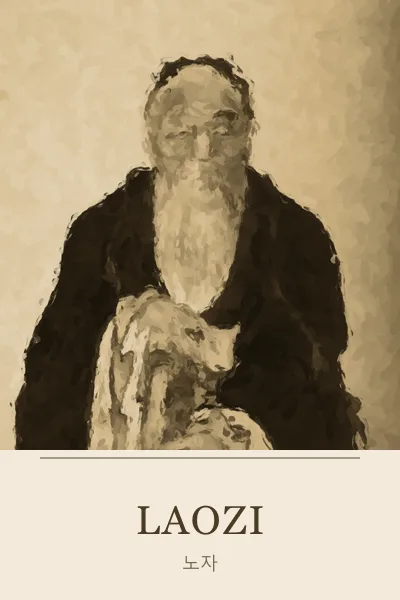
Laozi (6th century BC)
이야기
단어를 탭하면 번역돼요. 문장을 선택하면 형광펜을 칠하거나 학습 계획에 추가할 수 있어요.
Laozi’s favourite picture of the good life is water.
“The highest goodness is like water.Water helps all things and does not compete with them, and it flows to the low places that everyone else dislikes; in this it is close to the Way.Because it does not compete, no one finds fault with it.
He who stands on tiptoe does not stand firm; he who takes huge steps does not walk far.He who shows himself off does not shine; he who boasts gets no credit.He who knows others is clever; he who knows himself is wise.He who conquers others is strong; he who conquers himself is mighty.He who knows he has enough is rich.
When people are born, they are soft and weak; when they die, they are hard and stiff.Young plants are tender, but dead ones are dry and brittle; so hardness and stiffness belong to death, and softness and weakness belong to life.Nothing in the world is softer and weaker than water, yet nothing is better at wearing away what is hard and strong.Everyone knows that the soft overcomes the hard and the weak overcomes the strong, but no one can put it into practice.”
전체 번역먼저 이야기를 읽어 보고, 이해했는지 확인할 때만 열어 보세요.
노자가 가장 좋아한 좋은 삶의 그림은 물이에요.
"최고의 선은 물과 같다. 물은 만물을 이롭게 하면서도 다투지 않고, 모두가 싫어하는 낮은 곳으로 흐른다. 그래서 도에 가깝다. 다투지 않으니 아무도 허물을 탓하지 않는다.
발끝으로 서는 사람은 단단히 서지 못하고, 큰 걸음으로 걷는 사람은 멀리 가지 못한다. 스스로 드러내는 사람은 빛나지 않고, 스스로 자랑하는 사람은 공을 인정받지 못한다. 남을 아는 사람은 영리하고, 자신을 아는 사람은 밝다. 남을 이기는 사람은 힘이 세고, 자신을 이기는 사람은 강하다. 만족할 줄 아는 사람은 부유하다.
사람은 태어날 때 부드럽고 약하지만, 죽을 때는 단단하고 뻣뻣하다. 어린 풀과 나무는 연하지만 죽은 것은 마르고 부서지기 쉽다. 그러므로 단단하고 뻣뻣한 것은 죽음의 무리이고, 부드럽고 약한 것은 삶의 무리다. 세상에 물보다 부드럽고 약한 것은 없지만, 단단하고 강한 것을 깎아 내는 데 물보다 나은 것은 없다. 부드러운 것이 단단한 것을 이기고 약한 것이 강한 것을 이긴다는 것을 모두가 알지만, 아무도 그것을 실천하지 못한다."
쉽게 말하면
물은 노자의 본보기예요. 부드럽고, 모든 것을 도우며, 기꺼이 가장 낮은 자리에 머물러요. 뽐내고 지나치게 밀어붙이면 역효과가 나요. 발끝으로 서는 것처럼 키는 커 보여도 곧 균형을 잃어요. 진짜 힘은 자신을 다스리는 것이고, 진짜 부는 충분하다는 걸 아는 거예요. 길게 보면 부드러움이 이겨요. 물은 약해 보이지만 시간이 지나면 바위도 뚫어요.
원문
이제 원문으로 읽어 보세요
방금 읽은 건 쉽게 다시 쓴 이야기예요. 이번엔 작가가 쓴 그대로의 원문을 줄이지 않고, 짧게 나눠서 읽어 보세요.
Chapters 8–33 · 3,605 단어 · 8 개의 짧은 읽기
원문 읽기이해도 확인
1. Why does Laozi say water is close to the Way?
2. What happens to someone who stands on tiptoe?
3. According to Laozi, who is 'mighty'?
4. What belongs to life, according to Laozi?
5. What does everyone know but no one puts into practice?
핵심 단어
verb
flow
흐르다
The river flows into the sea.
그 강은 바다로 흘러가요.
한줄 요약
In 1–2 sentences, say why Laozi admires water, and what he says real strength and real wealth are.
출처: Adapted from chapters 8, 24, 33, 76 and 78 of the "Tao Te Ching" attributed to Laozi (c. 4th century BC), in James Legge's English translation (long in the public domain, Project Gutenberg #216). This simplified version, the explainer and the Korean translation are original text written for SeoJae Story.
이 책의 이야기
책 소개 →Tao Te Ching · 3편 중 0편 읽음
다음 이야기 · 3편 중 3편
A Journey of a Thousand Miles
천 리 길도 한 걸음부터 · 2 분 소요
다음 편 읽기북클럽과 함께 읽기
이 챕터를 북클럽과 공유하고 함께 이야기 나눠요.