
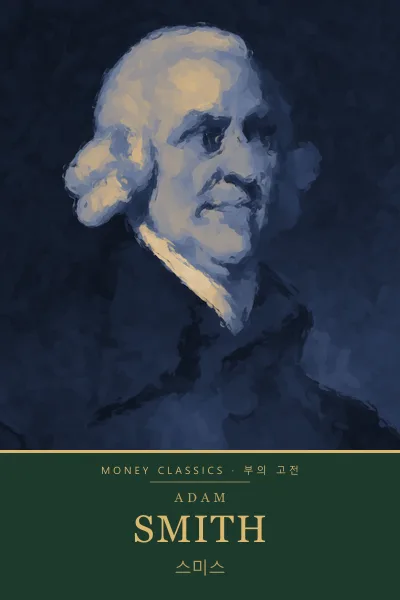
The Wealth of Nations: The Butcher, the Brewer and the Baker
국부론: 정육점 주인, 양조장 주인, 빵집 주인
Adam Smith (1723–1790)
이야기
단어를 탭하면 번역돼요. 문장을 선택하면 형광펜을 칠하거나 학습 계획에 추가할 수 있어요.
In his second chapter, Smith asks where the division of labour comes from.His answer is a habit that he thinks only human beings have.
“The division of labour was not planned by any wise person who foresaw the wealth it would bring.It grew slowly from a natural tendency in human beings: the tendency to trade, barter and exchange one thing for another.This tendency is common to all people and is found in no other animal.Nobody ever saw a dog make a fair exchange of one bone for another with another dog.
A person in a civilised society needs the help of great crowds of people, yet his whole life is hardly long enough to win the friendship of a few.He will never get all that help from their kindness alone.He is more likely to succeed if he can show them that it is to their own advantage to do what he asks.‘Give me what I want, and you shall have what you want’: that is the meaning of every offer to trade.
It is not from the kindness of the butcher, the brewer or the baker that we expect our dinner, but from their concern for their own interest.We speak not to their humanity but to their self-love, and we never talk to them of our own needs, but of their advantages.Nobody but a beggar chooses to depend mainly on the kindness of his fellow citizens.”
전체 번역먼저 이야기를 읽어 보고, 이해했는지 확인할 때만 열어 보세요.
두 번째 장에서 스미스는 분업이 어디에서 오는지 물어요. 그 답은 오직 인간만이 가졌다고 스미스가 생각하는 습관이에요.
"분업은 그것이 가져올 부를 내다본 어떤 현명한 사람이 계획한 것이 아닙니다. 그것은 인간의 타고난 성향, 곧 물건을 사고팔고 맞바꾸고 서로 교환하려는 성향에서 천천히 자라났습니다. 이 성향은 모든 사람에게 있으며, 다른 어떤 동물에게서도 찾아볼 수 없습니다. 개 한 마리가 다른 개와 뼈다귀 하나를 다른 뼈다귀와 공정하게 바꾸는 것을 본 사람은 아무도 없습니다.
문명사회의 사람은 수많은 사람의 도움이 필요하지만, 평생을 다해도 몇 사람의 우정을 얻기에도 빠듯합니다. 그 도움을 모두 그들의 친절에만 기대어 얻을 수는 결코 없습니다. 자기가 부탁하는 일을 해 주는 것이 그들 자신에게 이롭다는 것을 보여 줄 수 있다면 성공할 가능성이 더 큽니다. '내가 원하는 것을 주시오, 그러면 당신이 원하는 것을 주겠소.' 이것이 모든 거래 제안의 뜻입니다.
우리가 저녁 식사를 기대하는 것은 정육점 주인이나 양조장 주인이나 빵집 주인의 친절 덕분이 아니라, 그들이 자기 이익을 챙기기 때문입니다. 우리는 그들의 인정이 아니라 자기애에 호소하며, 우리에게 무엇이 필요한지가 아니라 그들에게 무엇이 이로운지를 말합니다. 거지가 아니고서야 아무도 주로 이웃 시민의 친절에 기대어 살기를 택하지 않습니다."
내 돈에 적용하면
이것은 경제학에서 가장 많이 인용되는 대목 가운데 하나예요. 스미스는 사람이 이기적이라거나 친절이 나쁘다고 말하는 것이 아니에요. 친절이 없어도 시장은 돌아간다고 말하는 거예요. 빵집 주인은 생계를 위해 빵을 굽고, 그 덕분에 우리는 갓 구운 빵을 얻어요. 양쪽 모두 이득이죠. 좋은 거래는 좋은 사업처럼, 상대에게 무엇이 필요한지 묻는 데서 시작해요.
원문
이제 원문으로 읽어 보세요
방금 읽은 건 쉽게 다시 쓴 이야기예요. 이번엔 작가가 쓴 그대로의 원문을 줄이지 않고, 짧게 나눠서 읽어 보세요.
Book I, chapter II · 1,563 단어 · 3 개의 짧은 읽기
원문 읽기이해도 확인
1. Where does the division of labour come from, according to Smith?
2. What does Smith say about dogs?
3. Why can't we rely only on other people's kindness?
4. Why do we get our dinner from the butcher, the brewer and the baker?
5. When we ask for something in a trade, what should we talk about?
핵심 단어
verb
foresee
내다보다, 예견하다
Nobody could foresee the storm.
아무도 그 폭풍을 예견하지 못했어요.
한줄 요약
In 1–2 sentences, explain why Smith says we get our dinner from people's self-interest, not their kindness.
출처: Adapted from Book I, chapter II of Adam Smith's "An Inquiry into the Nature and Causes of the Wealth of Nations" (1776), written in English and long in the public domain (Project Gutenberg #3300). This simplified version, the explainer and the Korean translation are original text written for SeoJae Story.
이 책의 이야기
책 소개 →The Wealth of Nations · 3편 중 0편 읽음
다음 이야기 · 3편 중 3편
The Invisible Hand
보이지 않는 손 · 2 분 소요
다음 편 읽기북클럽과 함께 읽기
이 챕터를 북클럽과 공유하고 함께 이야기 나눠요.