
The Communist Manifesto: Crises and Wages
공산당 선언: 공황과 임금
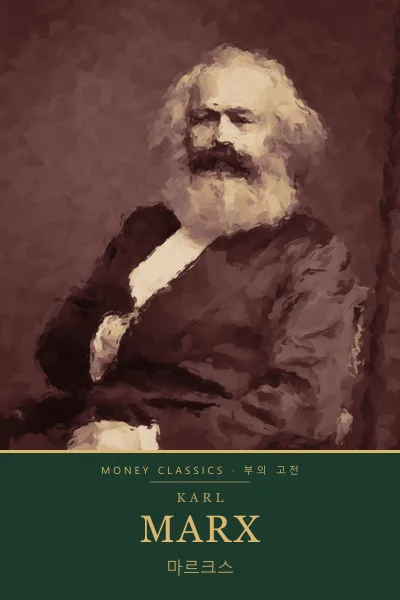
Karl Marx (1818–1883)
이야기
단어를 탭하면 번역돼요. 문장을 선택하면 형광펜을 칠하거나 학습 계획에 추가할 수 있어요.
In the next pages of the Manifesto, Marx and Engels turn to the two things that worried workers most: sudden crashes and low pay.
“Modern society is like the sorcerer who can no longer control the powers he has called up by his spells.Every few years a commercial crisis returns, each time more threatening.In these crises a strange epidemic breaks out, one that would have seemed absurd in any earlier age: the epidemic of over-production.Factories close and people go hungry, not because there is too little, but because there is too much industry and too much commerce.
Meanwhile the worker must sell himself piece by piece, like any other article of commerce.Because of machinery, the work loses all individual character, and the worker becomes a mere part of the machine.So wages fall to the cost of keeping the worker alive, and the more boring the work becomes, the lower the wage.
The average price of wage labour is the minimum wage, just enough for a bare existence.We do not want to take away what a worker earns in order to live; we want to end a system in which the worker lives only to increase capital.”
They predicted that these crises would grow worse and worse until the workers rose up.
전체 번역먼저 이야기를 읽어 보고, 이해했는지 확인할 때만 열어 보세요.
『공산당 선언』의 다음 부분에서 마르크스와 엥겔스는 노동자들이 가장 걱정하던 두 가지, 갑작스러운 공황과 낮은 임금을 다뤄요.
"현대 사회는 주문으로 불러낸 힘을 더는 다스리지 못하는 마법사와 같습니다. 몇 년마다 상업 공황이 돌아오는데, 그때마다 더 위협적입니다. 이런 공황 속에서는 이전 어느 시대에도 터무니없어 보였을 이상한 전염병이 퍼집니다. 바로 과잉 생산이라는 전염병입니다. 공장이 문을 닫고 사람들이 굶주리는데, 그 까닭은 너무 적어서가 아니라 산업과 상업이 너무 많아서입니다.
그사이 노동자는 다른 모든 상품처럼 자신을 조금씩 나누어 팔아야 합니다. 기계 때문에 노동은 개성을 모두 잃고, 노동자는 기계의 한 부품이 되어 버립니다. 그래서 임금은 노동자를 겨우 살려 두는 비용까지 떨어지고, 일이 지루해질수록 임금은 더 낮아집니다.
임금 노동의 평균 가격은 최저 임금, 곧 겨우 목숨을 이어 갈 만큼의 돈입니다. 우리는 노동자가 살기 위해 버는 것을 빼앗으려는 것이 아닙니다. 노동자가 오직 자본을 늘리기 위해서만 사는 체제를 끝내려는 것입니다."
두 사람은 이런 공황이 점점 심해져 결국 노동자들이 들고일어날 것이라고 예측했어요.
내 돈에 적용하면
자본주의에 호황과 불황이 되풀이된다는 마르크스의 말은 옳았어요. 1929년 대공황과 2008년 금융 위기가 그 예예요. 하지만 임금이 최저 수준에 머물 것이라는 예측은 틀렸어요. 한국을 포함한 선진국에서 실질 임금은 마르크스의 시대보다 몇 배나 올랐어요. 한 가지 이유는 기술이 귀해졌기 때문이에요. 기계가 못 하는 일을 할 줄 아는 사람은 쉽게 대체되지 않아요. 사람이 '기계의 부품'이 된다는 마르크스의 걱정은 AI 시대에 다시 새롭게 들려요. 계속 배워야 할 좋은 이유이기도 해요.
원문
이제 원문으로 읽어 보세요
방금 읽은 건 쉽게 다시 쓴 이야기예요. 이번엔 작가가 쓴 그대로의 원문을 줄이지 않고, 짧게 나눠서 읽어 보세요.
Section I, Bourgeois and Proletarians · 876 단어 · 2 개의 짧은 읽기
원문 읽기이해도 확인
1. What do Marx and Engels compare modern society to?
2. What is strange about the crises they describe?
3. What happens to the worker because of machinery?
4. What is the average price of wage labour, according to the Manifesto?
5. What do Marx and Engels say they do NOT want to take away?
핵심 단어
noun
sorcerer
마법사
The sorcerer cast a spell on the king.
마법사가 왕에게 마법을 걸었어요.
한줄 요약
In 1–2 sentences, explain what Marx predicted would happen to crises and wages.
출처: Adapted from section I, "Bourgeois and Proletarians," and section II, "Proletarians and Communists," of Karl Marx and Friedrich Engels's "Manifesto of the Communist Party" (1848), in Samuel Moore's 1888 English translation, edited by Engels (long in the public domain, Project Gutenberg #61). This simplified version, the explainer and the Korean translation are original text written for SeoJae Story.
이 책의 이야기
책 소개 →The Communist Manifesto · 3편 중 0편 읽음
다음 이야기 · 3편 중 3편
The Ten Measures
열 가지 조치 · 2 분 소요
다음 편 읽기북클럽과 함께 읽기
이 챕터를 북클럽과 공유하고 함께 이야기 나눠요.