
The Economic Consequences of the Peace: The Danger of Inflation
평화의 경제적 결과: 인플레이션의 위험
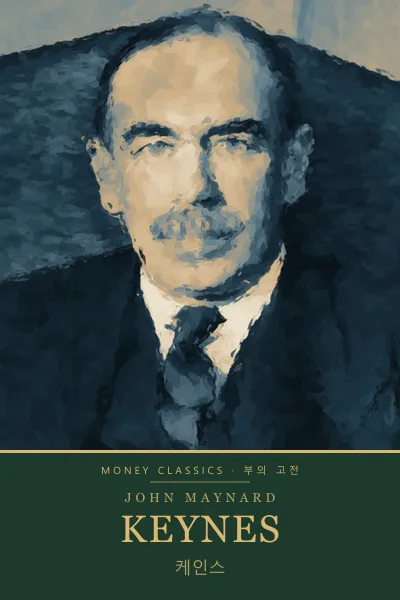
John Maynard Keynes (1883–1946)
이야기
단어를 탭하면 번역돼요. 문장을 선택하면 형광펜을 칠하거나 학습 계획에 추가할 수 있어요.
During and after the war, many European governments printed money to pay their bills, and prices began to rise fast.In chapter six, Keynes explains why this was so dangerous.
“Lenin is said to have declared that the best way to destroy the capitalist system was to debauch the currency.By a continuing process of inflation, governments can secretly take away an important part of the wealth of their citizens.And they take it unfairly: while the process makes many people poorer, it actually makes some richer.
When the value of money jumps up and down from month to month, the agreements between those who borrow and those who lend become almost meaningless.Getting rich turns into a gamble and a lottery.People blame the ‘profiteers’ whose goods and property rise in price, but the profiteers are a result of rising prices, not the cause.
Lenin was certainly right. There is no subtler, no surer way of overturning the existing basis of society than to debauch the currency.The process does its damage in a way that not one man in a million is able to understand.”A few years later, German money became almost worthless, and people carried bundles of banknotes in wheelbarrows to buy bread.
전체 번역먼저 이야기를 읽어 보고, 이해했는지 확인할 때만 열어 보세요.
전쟁 중과 전쟁 뒤에 유럽의 많은 정부는 비용을 대려고 돈을 찍어 냈고, 물가가 빠르게 오르기 시작했어요. 6장에서 케인스는 이것이 왜 그토록 위험했는지 설명해요.
"레닌은 자본주의 체제를 무너뜨리는 가장 좋은 방법이 통화를 타락시키는 것이라고 말했다고 합니다. 인플레이션을 계속 일으켜서, 정부는 국민의 재산 가운데 중요한 부분을 남몰래 빼앗을 수 있습니다. 게다가 불공정하게 빼앗습니다. 이 과정은 많은 사람을 가난하게 만들면서, 실제로 몇몇 사람은 부자로 만듭니다.
돈의 가치가 달마다 오르락내리락하면, 빌리는 사람과 빌려주는 사람 사이의 약속은 거의 의미가 없어집니다. 부자가 되는 일은 도박과 복권이 되어 버립니다. 사람들은 물건과 재산의 값이 올라 이득을 본 '폭리꾼'을 비난하지만, 폭리꾼은 물가 상승의 결과이지 원인이 아닙니다.
레닌은 분명히 옳았습니다. 사회의 기존 토대를 뒤엎는 데 통화를 타락시키는 것보다 더 교묘하고 확실한 방법은 없습니다. 이 과정은 백만 명 가운데 한 사람도 알아차리지 못하는 방식으로 해를 끼칩니다." 몇 년 뒤 독일의 돈은 거의 휴지 조각이 되었고, 사람들은 빵을 사려고 지폐 다발을 손수레에 싣고 다녔어요.
내 돈에 적용하면
인플레이션은 물가가 올라서 같은 1원, 1달러로 예전보다 적게 살 수 있게 되는 거예요. 케인스는 이것을 숨은 세금처럼 봐요. 아무도 찬성표를 던지지 않았는데, 저축한 돈의 가치가 조용히 줄어들어요. 불공정하기도 해요. 부동산이나 물건을 가진 사람은 이득을 볼 수 있지만, 현금으로 저축하거나 정해진 월급을 받는 사람은 손해를 보니까요. 그래서 오랜 세월에 걸쳐 보면, 저축한 돈은 제자리를 지키기 위해서라도 적어도 물가만큼은 불어나야 해요.
원문
이제 원문으로 읽어 보세요
방금 읽은 건 쉽게 다시 쓴 이야기예요. 이번엔 작가가 쓴 그대로의 원문을 줄이지 않고, 짧게 나눠서 읽어 보세요.
Chapter VI, Europe after the Treaty · 6,330 단어 · 13 개의 짧은 읽기
원문 읽기이해도 확인
1. Why did prices rise fast in Europe during and after the war?
2. According to Keynes, what did Lenin say was the best way to destroy capitalism?
3. Why is inflation unfair, according to Keynes?
4. What does getting rich become when the value of money jumps around?
5. According to Keynes, profiteers are…
핵심 단어
noun
inflation
인플레이션, 물가 상승
Inflation makes everyday shopping more expensive.
인플레이션은 일상의 장보기를 더 비싸게 만들어요.
한줄 요약
In 1–2 sentences, explain why Keynes calls inflation a secret and unfair way of taking people's wealth.
출처: Adapted from chapter VI, "Europe after the Treaty", of John Maynard Keynes's "The Economic Consequences of the Peace" (1919), written in English and in the public domain (Project Gutenberg #15776). This simplified version, the explainer and the Korean translation are original text written for SeoJae Story.
이 책의 이야기
책 소개 →The Economic Consequences of the Peace · 3편 중 0편 읽음
지금까지 준비된 이야기를 모두 읽었어요. 새로운 챕터가 곧 추가돼요.
북클럽과 함께 읽기
이 챕터를 북클럽과 공유하고 함께 이야기 나눠요.