
The Economic Consequences of the Peace: The Cake That Was Never Eaten
평화의 경제적 결과: 먹지 않는 케이크
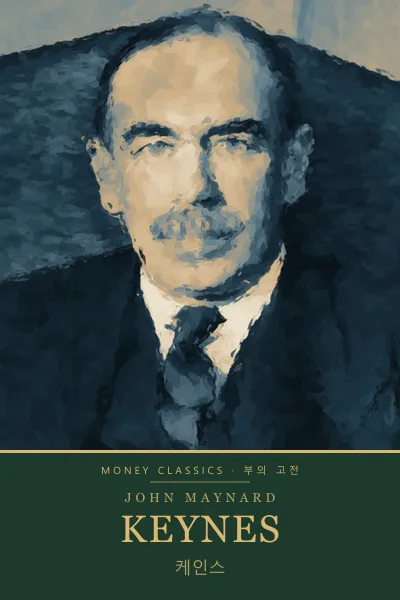
John Maynard Keynes (1883–1946)
이야기
단어를 탭하면 번역돼요. 문장을 선택하면 형광펜을 칠하거나 학습 계획에 추가할 수 있어요.
In the same chapter, Keynes asks how Europe had built so many railways, factories and cities before the war.His answer is about saving, and he explains it with a cake.
“Europe was organised to build up the greatest possible amount of capital.Much of the new income went to the class least likely to spend it, because the new rich preferred the power of investment to the pleasures of spending.Like bees, they saved and stored, and the whole community gained from it.
Workers accepted that they could call very little of the cake their own, though they had helped to bake it.The rich were allowed to call the best part of the cake theirs, on the silent condition that they ate very little of it.The duty of saving became nine tenths of virtue, and the growth of the cake became a kind of religion.
Saving was said to be for old age or for your children, but the real virtue of the cake was that it was never to be eaten, neither by you nor by your children after you.If the cake kept growing by compound interest, perhaps one day there would at last be enough to go round.But the war has shown everyone that consumption is possible, and has shown many that self-denial is in vain.”Keynes feared that this old bargain, which had built the modern world, could not be rebuilt.
전체 번역먼저 이야기를 읽어 보고, 이해했는지 확인할 때만 열어 보세요.
같은 장에서 케인스는 전쟁 전의 유럽이 어떻게 그토록 많은 철도와 공장과 도시를 지었는지 물어요. 그 답은 저축에 관한 것이고, 케인스는 그것을 케이크로 설명해요.
"유럽은 자본을 최대한 많이 쌓도록 짜여 있었습니다. 새로 생긴 소득의 많은 부분은 그것을 쓸 가능성이 가장 적은 계층에게 돌아갔습니다. 신흥 부자들은 쓰는 즐거움보다 투자가 주는 힘을 더 좋아했기 때문입니다. 그 사람들은 벌처럼 모으고 쌓아 두었고, 공동체 전체가 그 덕을 보았습니다.
노동자들은 자신들도 함께 구운 케이크인데도, 거기서 자기 몫이라 부를 수 있는 것이 아주 적다는 것을 받아들였습니다. 부자들은 케이크의 가장 좋은 부분을 자기 것이라 부를 수 있었지만, 거기에는 실제로는 거의 먹지 않는다는 말 없는 조건이 붙어 있었습니다. 저축의 의무는 미덕의 10분의 9가 되었고, 케이크를 키우는 일은 일종의 종교가 되었습니다.
저축은 노년이나 자식을 위한 것이라고들 했지만, 케이크의 진짜 미덕은 결코 먹지 않는다는 데 있었습니다. 나도, 내 뒤를 이을 자식들도 먹어서는 안 되었습니다. 케이크가 복리로 계속 자란다면, 언젠가는 마침내 모두에게 돌아갈 만큼 넉넉해질지도 모릅니다. 하지만 전쟁은 모든 사람에게 소비가 가능하다는 것을 보여 주었고, 많은 사람에게 절제가 헛되다는 것을 보여 주었습니다." 케인스는 현대 세계를 세운 이 오래된 거래를 다시 세울 수 없을까 봐 걱정했어요.
내 돈에 적용하면
케인스가 말한 '케이크'는 경제의 저축과 투자예요. 미래를 더 부유하게 만드는 철도와 공장과 기계지요. 케인스는 이 체제가 불평등 위에 서 있었다는 것을 솔직하게 말해요. 노동자는 적게 받았고, 부자는 쓰지 않으리라는 믿음 덕분에 많이 가졌어요. 케인스가 던진 질문은 지금도 우리 각자에게 중요해요. 조금도 누리지 못한다면 저축은 무엇을 위한 걸까요? 건강한 돈 계획은 케이크를 계속 키우면서도, 언젠가 먹을 조각을 미리 정해 두는 거예요.
원문
이제 원문으로 읽어 보세요
방금 읽은 건 쉽게 다시 쓴 이야기예요. 이번엔 작가가 쓴 그대로의 원문을 줄이지 않고, 짧게 나눠서 읽어 보세요.
Chapter II, The Psychology of Society · 868 단어 · 2 개의 짧은 읽기
원문 읽기이해도 확인
1. Who received much of Europe's new income before the war?
2. What does Keynes compare the rich savers to?
3. What was the silent condition for the rich?
4. What did the duty of saving become?
5. What did the war show many people, according to Keynes?
핵심 단어
noun
capital
자본
They needed more capital to open a second shop.
두 번째 가게를 열려면 자본이 더 필요했어요.
한줄 요약
In 1–2 sentences, explain what Keynes's 'cake' stands for and why it was never eaten.
출처: Adapted from chapter II, "Europe before the War" (section III, "The Psychology of Society"), of John Maynard Keynes's "The Economic Consequences of the Peace" (1919), written in English and in the public domain (Project Gutenberg #15776). This simplified version, the explainer and the Korean translation are original text written for SeoJae Story.
이 책의 이야기
책 소개 →The Economic Consequences of the Peace · 3편 중 0편 읽음
다음 이야기 · 3편 중 3편
The Danger of Inflation
인플레이션의 위험 · 2 분 소요
다음 편 읽기북클럽과 함께 읽기
이 챕터를 북클럽과 공유하고 함께 이야기 나눠요.