
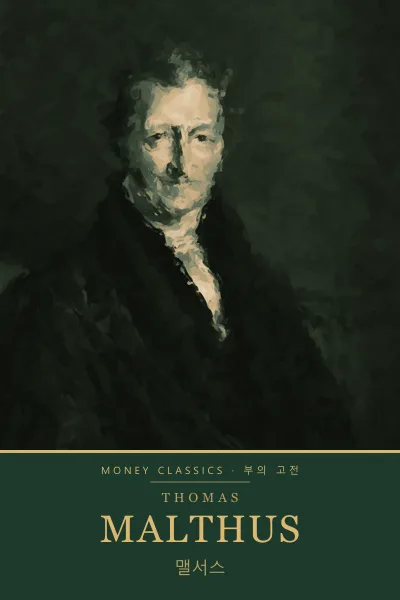
An Essay on the Principle of Population: Five Shillings a Day
인구론: 하루 5실링
Thomas Malthus (1766–1834)
이야기
단어를 탭하면 번역돼요. 문장을 선택하면 형광펜을 칠하거나 학습 계획에 추가할 수 있어요.
In England, the ‘poor laws’ collected money in every parish to help the poor, yet poverty never seemed to go away.Malthus explained why with a famous example.
“People are astonished that nearly three million pounds are collected for the poor every year, and still their distress is not removed.Some think the money must be stolen, and others that the officials spend it on dinners.But suppose the rich gave enough money to raise every worker’s pay from eighteen pence a day to five shillings.
You might imagine that they could then eat meat every day for dinner.But this would be a false conclusion, because the gift would not increase the quantity of meat in the country.Buyers would compete in the market, and the price of meat would rise from sixpence a pound to two or three shillings.
When something is scarce, the person who offers the most money gets it.If I only give a poor man money, while the country produces the same amount, I give him a larger share of the food, which he cannot receive without making the shares of others smaller.”
In other words, printing money or handing it out cannot by itself create more bread or more meat.
전체 번역먼저 이야기를 읽어 보고, 이해했는지 확인할 때만 열어 보세요.
영국에서는 '구빈법'에 따라 교구마다 돈을 걷어 가난한 사람들을 도왔지만, 가난은 좀처럼 사라지지 않았어요. 맬서스는 유명한 예를 들어 그 이유를 설명했어요.
"해마다 300만 파운드 가까운 돈을 걷어 가난한 사람들에게 주는데도 그 고통이 사라지지 않는다는 사실에 사람들은 놀랍니다. 누구는 그 돈을 누가 훔쳤을 것이라 하고, 누구는 관리들이 저녁 식사에 써 버렸을 것이라고 합니다. 하지만 부자들이 돈을 내서 모든 노동자의 하루 임금을 18펜스에서 5실링으로 올려 준다고 해 봅시다.
그러면 노동자들이 날마다 저녁으로 고기를 먹을 수 있으리라고 생각할지도 모릅니다. 하지만 그것은 잘못된 결론입니다. 그 돈을 준다고 나라 안의 고기 양이 늘어나지는 않기 때문입니다. 사려는 사람들이 시장에서 서로 경쟁하면서, 고기 값은 1파운드에 6펜스에서 2~3실링으로 오를 것입니다.
어떤 물건이 부족하면, 가장 많은 돈을 내는 사람이 그것을 차지합니다. 나라의 생산량은 그대로인데 가난한 사람에게 돈만 준다면, 저는 그 사람에게 식량을 더 큰 몫으로 가질 권리를 주는 것이고, 그 몫은 다른 사람들의 몫을 줄이지 않고는 받을 수 없습니다."
다시 말해, 돈을 찍어 내거나 나누어 주는 것만으로는 빵이나 고기가 더 생기지 않아요.
내 돈에 적용하면
이것은 인플레이션을 가장 분명하게 설명한 초기 사례 가운데 하나예요. 같은 양의 물건을 더 많은 돈이 쫓으면 가격이 올라요. 오늘날에도 지원금이나 싼 대출이 인기 지역의 아파트처럼 공급이 정해진 것과 만나면 같은 일이 벌어져요. 맬서스의 요점은 가난한 사람을 돕는 게 잘못이라는 것이 아니라, 진짜 도움이 되려면 식량이나 집처럼 생산되는 것도 함께 늘어나야 한다는 것이에요. 가난한 사람에 대한 맬서스의 더 냉정한 생각은 널리 비판받았고, 현대 복지 국가들은 잘 설계된 지원이 가난을 줄일 수 있다는 것을 보여 주었어요.
원문
이제 원문으로 읽어 보세요
방금 읽은 건 쉽게 다시 쓴 이야기예요. 이번엔 작가가 쓴 그대로의 원문을 줄이지 않고, 짧게 나눠서 읽어 보세요.
Chapter 5 · 4,119 단어 · 9 개의 짧은 읽기
원문 읽기이해도 확인
1. What puzzled people about the poor laws?
2. In Malthus's example, how much would each worker's daily pay rise to?
3. Why could the workers still not eat meat every day?
4. What would happen to the price of meat?
5. When something is scarce, who gets it?
핵심 단어
adjective
astonished
깜짝 놀란
I was astonished at the price.
가격을 보고 깜짝 놀랐어요.
한줄 요약
In 1–2 sentences, explain why giving every worker more money would not put more meat on their tables.
출처: Adapted from chapter 5 of Thomas Malthus's "An Essay on the Principle of Population" (first edition, 1798), written in English and long in the public domain (Project Gutenberg #4239). This simplified version, the explainer and the Korean translation are original text written for SeoJae Story.
이 책의 이야기
책 소개 →An Essay on the Principle of Population · 3편 중 0편 읽음
지금까지 준비된 이야기를 모두 읽었어요. 새로운 챕터가 곧 추가돼요.
북클럽과 함께 읽기
이 챕터를 북클럽과 공유하고 함께 이야기 나눠요.