
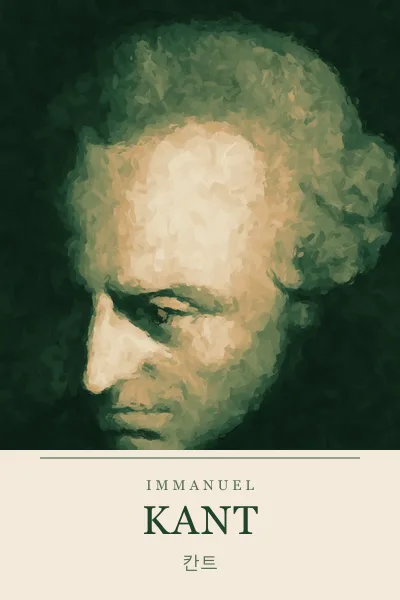
Groundwork of the Metaphysics of Morals: The Good Will
도덕형이상학 정초: 선한 의지
Immanuel Kant (1724–1804)
이야기
단어를 탭하면 번역돼요. 문장을 선택하면 형광펜을 칠하거나 학습 계획에 추가할 수 있어요.
Immanuel Kant lived his whole life in the Prussian city of Königsberg, and he was so regular in his habits that, people said, neighbours set their clocks by his afternoon walk.In this short book he tried to find the one supreme principle of morality, a rule that would hold for every rational being.
“Nothing can possibly be imagined in the world, or even out of it, that could be called good without qualification, except a good will.Intelligence, wit and judgement, or courage and determination, are no doubt good in many ways; but these gifts of nature can also become extremely bad if the will that uses them is not good.It is the same with the gifts of fortune: power, riches, honour, even health and happiness can make a person proud and arrogant if there is no good will to guide them.The calmness of a villain makes him far more dangerous, and far more hateful in our eyes, than he would be without it.
A good will is good not because of what it achieves, but simply because of the willing itself; it is good in itself.Even if, through bad luck, this will had no power at all to carry out its purpose, and with its greatest efforts achieved nothing, then, like a jewel, it would still shine by its own light, as a thing that has its whole value in itself.Its usefulness or uselessness can neither add anything to this value nor take anything away.
Consider a shopkeeper who does not overcharge an inexperienced customer, and keeps one fixed price for everyone, so that a child can buy from him as safely as anyone else.People are served honestly; but that is not enough to make us believe that he acted from duty and from principles of honesty. His own advantage required it.So the action was done neither from duty nor from love for his customers, but only for selfish reasons.An action has true moral worth only when it is done from duty, not merely in agreement with duty.”
전체 번역먼저 이야기를 읽어 보고, 이해했는지 확인할 때만 열어 보세요.
이마누엘 칸트는 평생을 프로이센의 도시 쾨니히스베르크에서 살았어요. 생활이 어찌나 규칙적이었던지, 이웃들이 칸트의 오후 산책을 보고 시계를 맞췄다는 이야기가 전해져요. 이 짧은 책에서 칸트는 도덕의 단 하나의 최고 원리, 곧 이성을 지닌 모든 존재에게 들어맞는 규칙을 찾으려 했어요.
"이 세상에서, 아니 이 세상 밖에서조차, 아무 조건 없이 선하다고 할 수 있는 것은 선한 의지 말고는 생각할 수 없다. 지성, 재치, 판단력, 또는 용기와 결단력은 분명 여러모로 좋은 것이다. 그러나 그것을 사용하는 의지가 선하지 않다면, 이 타고난 재능들도 지극히 나쁜 것이 될 수 있다. 행운이 주는 선물도 마찬가지다. 권력, 부, 명예, 심지어 건강과 행복도 그것을 이끄는 선한 의지가 없다면 사람을 교만하고 오만하게 만들 수 있다. 악당의 침착함은 악당을 훨씬 더 위험하게 만들고, 우리 눈에 훨씬 더 가증스럽게 만든다.
선한 의지는 그것이 이루어 낸 것 때문이 아니라, 오직 의지 그 자체 때문에 선하다. 그것은 그 자체로 선하다. 설령 운이 나빠 이 의지가 목적을 이룰 힘이 전혀 없고, 온 힘을 다해도 아무것도 이루지 못한다 해도, 선한 의지는 보석처럼 스스로의 빛으로 빛날 것이다. 자기 안에 모든 가치를 지닌 것으로서. 그것이 쓸모 있든 쓸모없든, 이 가치에 무엇을 더할 수도 뺄 수도 없다.
물정 모르는 손님에게 바가지를 씌우지 않고 누구에게나 정해진 값을 받아서, 아이도 다른 누구 못지않게 안심하고 물건을 살 수 있는 가게 주인을 생각해 보자. 사람들은 정직한 대접을 받는다. 그러나 그것만으로 가게 주인이 의무에서, 정직의 원칙에서 그렇게 행동했다고 믿기에는 부족하다. 자기 이익이 그렇게 하기를 요구했기 때문이다. 그러므로 그 행동은 의무에서 나온 것도, 손님에 대한 사랑에서 나온 것도 아니고, 그저 이기적인 이유에서 나온 것이다. 행동은 그저 의무에 맞을 때가 아니라 의무에서 비롯될 때에만 진정한 도덕적 가치를 지닌다."
쉽게 말하면
칸트는 재능, 부, 심지어 행복도 잘 쓰일 때만 좋은 것이라고 말해요. 그러니 그것들은 도덕의 바탕이 될 수 없어요. 어떤 상황에서든 선한 단 하나는 선한 의지예요. 옳기 때문에 옳은 일을 하겠다는 결심이에요. 그래서 칸트에게 도덕적 가치를 정하는 것은 결과가 아니에요. 실패한 선한 의지도 여전히 보석처럼 값져요. 가게 주인은 옳은 일을 하지만 이익을 위해서예요. 도덕적으로 중요한 것은 겉으로 드러난 행동이 아니라 동기, 곧 의무에서 행동하는 거예요.
원문
이제 원문으로 읽어 보세요
방금 읽은 건 쉽게 다시 쓴 이야기예요. 이번엔 작가가 쓴 그대로의 원문을 줄이지 않고, 짧게 나눠서 읽어 보세요.
First Section · 5,376 단어 · 12 개의 짧은 읽기
원문 읽기이해도 확인
1. What is the only thing that is good without qualification, according to Kant?
2. Why are intelligence and courage NOT good without qualification?
3. What does the image of the jewel show?
4. Why does the honest shopkeeper NOT deserve moral praise?
5. When does an action have true moral worth?
핵심 단어
noun
morality
도덕, 도덕성
The film raises questions about morality and justice.
그 영화는 도덕과 정의에 대한 질문을 던져요.
한줄 요약
In 1–2 sentences, say what Kant thinks is the only thing good without qualification, and why the honest shopkeeper does not deserve moral praise.
출처: Adapted from the First Section of Immanuel Kant's "Groundwork of the Metaphysics of Morals" (1785), in Thomas Kingsmill Abbott's English translation, published as "Fundamental Principles of the Metaphysic of Morals" (long in the public domain, Project Gutenberg #5682). This simplified version, the explainer and the Korean translation are original text written for SeoJae Story.
이 책의 이야기
책 소개 →Groundwork of the Metaphysics of Morals · 3편 중 0편 읽음
다음 이야기 · 3편 중 2편
The Categorical Imperative
정언 명령 · 3 분 소요
다음 편 읽기북클럽과 함께 읽기
이 챕터를 북클럽과 공유하고 함께 이야기 나눠요.