
Lombard Street: Money Is Economic Power
롬바드 스트리트: 돈은 경제의 힘
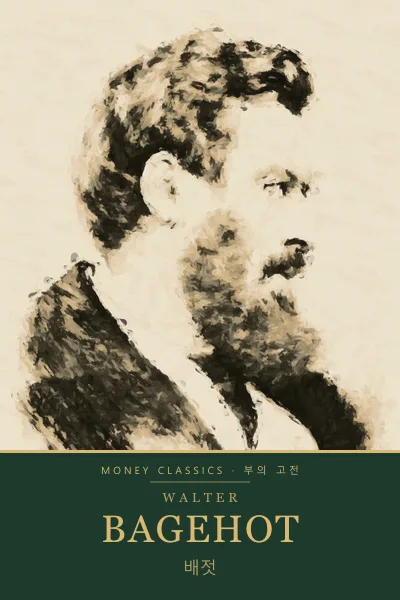
Walter Bagehot (1826–1877)
이야기
단어를 탭하면 번역돼요. 문장을 선택하면 형광펜을 칠하거나 학습 계획에 추가할 수 있어요.
Walter Bagehot was a banker’s son and the editor of The Economist magazine.In 1873 he wrote Lombard Street, named after the London street full of banks, and central bankers still quote it today.
“I call this essay ‘Lombard Street’ and not ‘the Money Market’ because I want to deal with real, concrete things.People think the money market is too abstract to describe in plain words, but if a writer is not clear, it is the writer’s fault.Lombard Street is by far the greatest combination of economic power and economic delicacy that the world has ever seen.
Money is economic power.In France and Germany there is more cash outside the banks, hoarded by ordinary people, but no one knows where to find it or whom to ask for it.A million pounds in the hands of a single banker is a great power, but the same sum scattered in tens and fifties through a whole nation is no power at all.
Because English money is kept in banks, it is borrowable money.Our ancestors thought that a good business could die for want of money, but here, any undertaking that is likely to pay can find the money it needs.”
That is why, Bagehot argued, the safety of the banks matters to everyone.
전체 번역먼저 이야기를 읽어 보고, 이해했는지 확인할 때만 열어 보세요.
월터 배젓은 은행가의 아들이자 『이코노미스트』 잡지의 편집장이었어요. 1873년에는 은행이 가득한 런던의 거리 이름을 딴 『롬바드 스트리트』를 썼는데, 지금도 중앙은행가들이 이 책을 인용해요.
"제가 이 글을 '금융 시장'이 아니라 '롬바드 스트리트'라고 부르는 것은 실제적이고 구체적인 것을 다루고 싶기 때문입니다. 사람들은 금융 시장이 너무 추상적이라 쉬운 말로는 설명할 수 없다고 생각하지만, 글이 분명하지 않다면 그것은 글쓴이의 잘못입니다. 롬바드 스트리트는 세상이 지금까지 본 것 가운데 경제적인 힘과 경제적인 섬세함이 가장 크게 결합한 곳입니다.
돈은 경제의 힘입니다. 프랑스와 독일에는 보통 사람들이 쌓아 둔, 은행 밖의 현금이 더 많지만, 그 돈이 어디 있는지, 누구에게 부탁해야 하는지 아무도 모릅니다. 한 은행가의 손에 있는 100만 파운드는 큰 힘이지만, 같은 돈이 온 나라에 10파운드, 50파운드씩 흩어져 있으면 아무 힘도 없습니다.
영국의 돈은 은행에 있기 때문에 빌릴 수 있는 돈입니다. 우리 조상들은 좋은 사업도 돈이 없어 망할 수 있다고 생각했지만, 이곳에서는 수익이 날 만한 사업이라면 무엇이든 필요한 돈을 구할 수 있습니다."
그래서 배젓은 은행의 안전이 모든 사람에게 중요하다고 주장했어요.
내 돈에 적용하면
은행에 돈을 맡기면 그 돈은 금고에 가만히 있지 않아요. 은행은 그 대부분을 사람들과 기업에 빌려줘요. 작은 저축을 한곳에 모으는 일 덕분에 나라는 철도와 공장, 그리고 오늘날에는 스타트업을 세울 수 있어요. 1960년대 이후 한국의 빠른 성장도 같은 방식이었어요. 은행에 모인 가계 저축이 새로운 산업에 돈을 댔어요. 글쓴이를 위한 배젓의 원칙도 기억할 만해요. 돈을 쉬운 말로 설명할 수 없다면, 아직 제대로 이해하지 못한 거예요.
원문
이제 원문으로 읽어 보세요
방금 읽은 건 쉽게 다시 쓴 이야기예요. 이번엔 작가가 쓴 그대로의 원문을 줄이지 않고, 짧게 나눠서 읽어 보세요.
Chapter I, Introductory · 1,583 단어 · 4 개의 짧은 읽기
원문 읽기이해도 확인
1. Why did Bagehot call his book 'Lombard Street'?
2. If writing about money is unclear, whose fault is it, according to Bagehot?
3. Why is the money hoarded in France and Germany 'no power at all'?
4. What makes English money 'borrowable'?
5. What did Bagehot's ancestors believe?
핵심 단어
noun
editor
편집자, 편집장
The editor checked every article.
편집장이 모든 기사를 확인했어요.
한줄 요약
In 1–2 sentences, explain why Bagehot says money in banks is more powerful than money hidden at home.
출처: Adapted from chapter I, "Introductory," of Walter Bagehot's "Lombard Street: A Description of the Money Market" (1873), written in English and long in the public domain (Project Gutenberg #4359). This simplified version, the explainer and the Korean translation are original text written for SeoJae Story.
이 책의 이야기
책 소개 →Lombard Street · 3편 중 0편 읽음
다음 이야기 · 3편 중 2편
Money Will Not Manage Itself
돈은 저절로 관리되지 않는다 · 2 분 소요
다음 편 읽기북클럽과 함께 읽기
이 챕터를 북클럽과 공유하고 함께 이야기 나눠요.