
The Theory of the Leisure Class: The Silver Spoon
유한계급론: 은수저 이야기
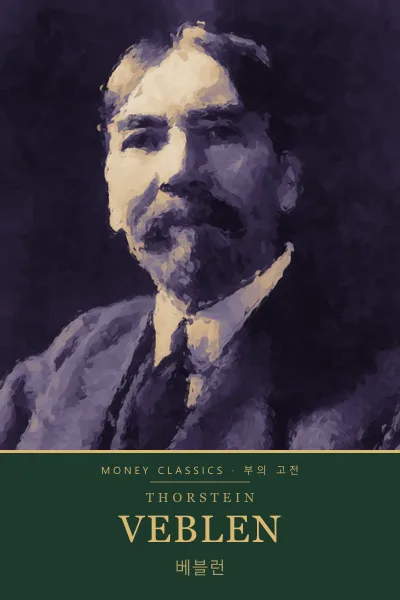
Thorstein Veblen (1857–1929)
이야기
단어를 탭하면 번역돼요. 문장을 선택하면 형광펜을 칠하거나 학습 계획에 추가할 수 있어요.
In a later chapter, Veblen asks a surprising question: when we call something beautiful, are we sometimes just admiring its price?To answer it, he compares two spoons.
“A hand-made silver spoon may cost ten to twenty dollars.Yet it is usually no more useful than a machine-made spoon of aluminium, which may cost ten to twenty cents.In fact, the expensive spoon is often less practical for its job.Someone will answer that the silver spoon is beautiful, and gives us pleasure to look at.
But suppose we discover that our ‘hand-made’ spoon is really a very clever machine-made copy.It looks almost exactly the same, yet our pleasure in it falls at once by eighty or ninety per cent.Its shape and colour have not changed. Only what we believe about its cost has changed.
The case of the spoons is typical.Much of the pleasure we take in costly and so-called beautiful things is really pleasure in their costliness, dressed up as a sense of beauty.”Veblen used the same argument about lawns, fashionable clothes and fine houses.
전체 번역먼저 이야기를 읽어 보고, 이해했는지 확인할 때만 열어 보세요.
뒤쪽 장에서 베블런은 뜻밖의 질문을 던져요. 무언가를 아름답다고 할 때, 사실은 그 값에 감탄하고 있는 건 아닐까요? 그 답을 찾으려고 베블런은 숟가락 두 개를 비교해요.
"손으로 만든 은수저는 10달러에서 20달러쯤 할 수 있습니다. 하지만 그것은 대개 10센트에서 20센트쯤 하는, 기계로 만든 알루미늄 숟가락보다 더 쓸모 있지 않습니다. 사실 비싼 숟가락은 제 할 일을 하기에 오히려 덜 편할 때가 많습니다. 누군가는 은수저가 아름다워서 바라보는 즐거움을 준다고 대답할 것입니다.
하지만 우리의 '손으로 만든' 숟가락이 사실은 아주 교묘하게 기계로 만든 복제품이라는 것을 알게 되었다고 해 봅시다. 모양은 거의 똑같은데도, 그 숟가락에서 얻던 즐거움은 단번에 80~90퍼센트나 줄어듭니다. 모양과 색깔은 달라지지 않았습니다. 달라진 것은 그 값에 대한 우리의 믿음뿐입니다.
숟가락의 경우는 전형적인 예입니다. 값비싸고 이른바 아름답다는 물건에서 얻는 즐거움의 상당 부분은 사실 비싸다는 데서 오는 즐거움이 아름다움의 가면을 쓴 것입니다." 베블런은 잔디밭과 유행하는 옷, 고급 주택에 대해서도 같은 논리를 폈어요.
내 돈에 적용하면
베블런의 숟가락 실험은 지금도 통해요. 모두가 가짜라고 생각해도 그 명품 가방이 똑같이 즐거울까요? 대답이 '아니요'라면, 내가 낸 돈의 일부는 가방이 아니라 가격 그 자체에 쓴 거예요. 아름다운 물건이 나쁘다는 뜻은 아니에요. 좋은 디자인과 장인 솜씨는 실제로 있어요. 다만 큰돈을 쓰기 전에 '나는 이 물건을 좋아하는 걸까, 아니면 이 물건이 나에 대해 말해 주는 것을 좋아하는 걸까?' 하고 물어보라는 거예요.
원문
이제 원문으로 읽어 보세요
방금 읽은 건 쉽게 다시 쓴 이야기예요. 이번엔 작가가 쓴 그대로의 원문을 줄이지 않고, 짧게 나눠서 읽어 보세요.
Chapter VI, Pecuniary Canons of Taste · 14,127 단어 · 30 개의 짧은 읽기
원문 읽기이해도 확인
1. What two things does Veblen compare?
2. Is the expensive spoon more useful?
3. What happens when we learn that the 'hand-made' spoon is a machine-made copy?
4. What has really changed about the spoon?
5. According to Veblen, much of the pleasure in costly things is really pleasure in their…
핵심 단어
adjective
hand-made
손으로 만든, 수제의
She sells hand-made soap at the market.
그 사람은 시장에서 수제 비누를 팔아요.
한줄 요약
In 1–2 sentences, explain what Veblen's two spoons show about beauty and price.
출처: Adapted from chapter VI, "Pecuniary Canons of Taste", of Thorstein Veblen's "The Theory of the Leisure Class" (1899), written in English and long in the public domain (Project Gutenberg #833). This simplified version, the explainer and the Korean translation are original text written for SeoJae Story.
이 책의 이야기
책 소개 →The Theory of the Leisure Class · 3편 중 0편 읽음
지금까지 준비된 이야기를 모두 읽었어요. 새로운 챕터가 곧 추가돼요.
북클럽과 함께 읽기
이 챕터를 북클럽과 공유하고 함께 이야기 나눠요.