
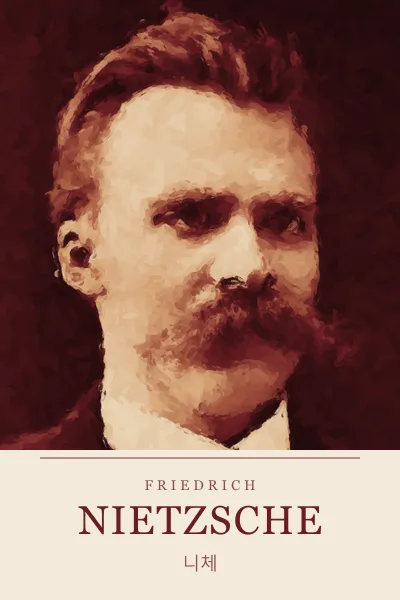
Thus Spoke Zarathustra: The Three Metamorphoses
차라투스트라는 이렇게 말했다: 세 가지 변화
Friedrich Nietzsche (1844–1900)
이야기
단어를 탭하면 번역돼요. 문장을 선택하면 형광펜을 칠하거나 학습 계획에 추가할 수 있어요.
“I name for you three metamorphoses of the spirit: how the spirit becomes a camel, the camel a lion, and the lion at last a child.There are many heavy things for the spirit, the strong spirit that can bear loads and is full of respect, for its strength longs for what is heavy, and for what is heaviest.What is heavy? asks the load-bearing spirit; then it kneels down like the camel and wants to be well loaded.Is it this: to lower oneself in order to hurt one’s pride? To go hungry in the soul for the sake of truth? To love those who despise us?All these heaviest things the spirit takes upon itself, and like a loaded camel that hurries into the desert, it hurries into its own desert.
But in the loneliest desert the second metamorphosis happens: here the spirit becomes a lion. It wants to capture freedom and be master in its own desert.Here it looks for its last master, to fight him; for victory it will struggle with the great dragon.What is the great dragon? Its name is “You shall.” But the spirit of the lion says, “I will.”“You shall” lies in its path, glittering with gold, a beast covered in scales, and on every scale shines in gold: “You shall!” The values of a thousand years glitter on those scales.To create new values, even the lion cannot yet do that. But to create freedom for new creation, that the lion’s power can do: to win freedom, and to say a holy No even to duty.
But tell me, my brothers, what can the child do that even the lion could not? Why must the hunting lion still become a child?The child is innocence and forgetting, a new beginning, a game, a wheel that rolls by itself, a first movement, a holy Yes.For the game of creating, my brothers, a holy Yes to life is needed: now the spirit wills its own will, and the one who was lost to the world wins its own world.”
전체 번역먼저 이야기를 읽어 보고, 이해했는지 확인할 때만 열어 보세요.
"너희에게 정신의 세 가지 변화를 일러 주겠다. 정신이 어떻게 낙타가 되고, 낙타가 사자가 되며, 사자가 마침내 어린아이가 되는지를. 정신에게는 무거운 것이 많다. 짐을 질 수 있고 공경심으로 가득한 강한 정신에게는. 그 힘이 무거운 것을, 가장 무거운 것을 갈망하기 때문이다. 무거운 것이 무엇인가? 짐을 지는 정신은 이렇게 묻는다. 그리고 낙타처럼 무릎을 꿇고 짐이 잔뜩 실리기를 바란다. 이것인가? 자존심을 꺾기 위해 스스로를 낮추는 것? 진리를 위해 영혼의 굶주림을 견디는 것? 우리를 경멸하는 자들을 사랑하는 것? 정신은 이 가장 무거운 것들을 모두 짊어진다. 그리고 짐을 실은 낙타가 사막으로 서둘러 가듯, 자신의 사막으로 서둘러 간다.
그러나 가장 외로운 사막에서 두 번째 변화가 일어난다. 여기서 정신은 사자가 된다. 사자는 자유를 쟁취하고 자기 사막의 주인이 되고자 한다. 여기서 사자는 마지막 주인을 찾아 맞서려 한다. 승리를 위해 거대한 용과 싸울 것이다. 거대한 용은 무엇인가? 그 이름은 '너는 해야 한다'이다. 그러나 사자의 정신은 '나는 하고자 한다'라고 말한다. '너는 해야 한다'가 황금빛으로 번쩍이며 사자의 길을 막고 있다. 비늘로 뒤덮인 짐승이며, 비늘 하나하나에 '너는 해야 한다!'가 금빛으로 빛난다. 천 년의 가치들이 그 비늘 위에서 번쩍인다. 새로운 가치를 창조하는 일은 사자도 아직 하지 못한다. 그러나 새로운 창조를 위한 자유를 만들어 내는 일, 그것은 사자의 힘으로 할 수 있다. 자유를 얻는 것, 그리고 의무에 대해서조차 신성한 '아니요'를 말하는 것.
그러나 형제들이여, 말해 보라. 사자도 하지 못한 일을 어린아이가 어떻게 할 수 있는가? 어째서 사냥하는 사자가 다시 어린아이가 되어야 하는가? 어린아이는 순진무구함이요 망각이며, 새로운 시작이요 놀이이며, 스스로 굴러가는 바퀴요 최초의 움직임이며, 신성한 '예'다. 형제들이여, 창조라는 놀이를 위해서는 삶에 대한 신성한 '예'가 필요하다. 이제 정신은 자기 자신의 의지를 원하고, 세상을 잃었던 자는 자기만의 세상을 얻는다."
쉽게 말하면
세 동물은 자유로운 사람이 되어 가는 단계예요. 낙타는 순종하는 정신으로, 주어진 모든 규칙과 의무를 자랑스럽게 짊어져요. 사자는 반항하는 정신이에요. '너는 해야 한다'라는 용, 곧 어떻게 살아야 하는지 일러 주는 물려받은 모든 가치와 싸워요. 하지만 '아니요'라고 말하는 것은 자리를 비울 뿐 무언가를 세우지는 못해요. 그래서 마지막 단계는 원망 없이 자유롭게 놀고 창조하는 어린아이예요. 니체의 요점은 진정한 자유가 규칙에서 벗어나는 데서 그치지 않고, 스스로 만든 가치로 사는 삶에 새롭고 기쁜 '예'를 말하는 데 있다는 거예요.
원문
이제 원문으로 읽어 보세요
방금 읽은 건 쉽게 다시 쓴 이야기예요. 이번엔 작가가 쓴 그대로의 원문을 줄이지 않고, 짧게 나눠서 읽어 보세요.
The Three Metamorphoses · 679 단어 · 2 개의 짧은 읽기
원문 읽기이해도 확인
1. What are the three metamorphoses of the spirit?
2. What does the camel want?
3. What is the name of the great dragon?
4. What can the lion do, and what can it NOT do?
5. Why must the lion become a child?
핵심 단어
noun
metamorphosis
변신, 탈바꿈
A caterpillar's metamorphosis into a butterfly takes a few weeks.
애벌레가 나비로 탈바꿈하는 데는 몇 주가 걸려요.
한줄 요약
In 1–2 sentences, describe the camel, the lion and the child, and say what each one stands for.
출처: Adapted from "The Three Metamorphoses", the first discourse of Part I of Friedrich Nietzsche's "Thus Spoke Zarathustra" (1883), in Thomas Common's English translation (long in the public domain, Project Gutenberg #1998). This simplified version, the explainer and the Korean translation are original text written for SeoJae Story.
이 책의 이야기
책 소개 →Thus Spoke Zarathustra · 3편 중 0편 읽음
다음 이야기 · 3편 중 3편
The Eternal Return
영원회귀 · 3 분 소요
다음 편 읽기북클럽과 함께 읽기
이 챕터를 북클럽과 공유하고 함께 이야기 나눠요.