
Economic Sophisms: Abundance or Scarcity?
경제적 궤변: 풍요인가, 부족인가?
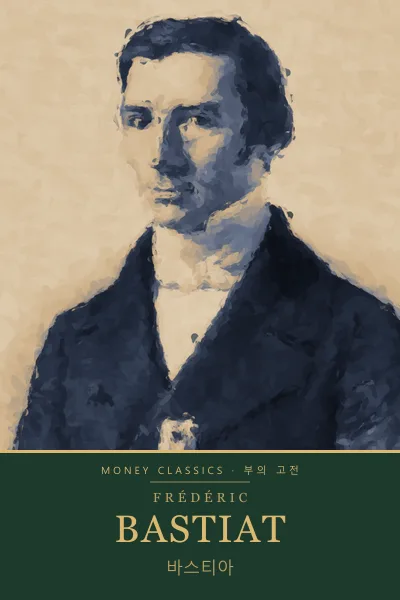
Frédéric Bastiat (1801–1850)
이야기
단어를 탭하면 번역돼요. 문장을 선택하면 형광펜을 칠하거나 학습 계획에 추가할 수 있어요.
Frédéric Bastiat was a French economist and member of parliament who fought against tariffs, the taxes on goods from other countries.He wrote short, witty essays to expose the mistakes, or ‘sophisms’, hidden in popular arguments about money.
“Which is better for people and for society, abundance or scarcity?You may say this is not even a question, yet the theory of scarcity is the most popular one in our newspapers and parliaments.When we hear that ‘foreigners will flood us with their goods’, we fear abundance.When workers break machines, they fear too much production, which is abundance.
How does this mistake begin?A man grows richer when he sells his product at a higher price, and the price is higher when the product is scarce.So, as a seller, he decides that scarcity makes him rich.
But every person is also a buyer, and a buyer grows richer when things are cheap and plentiful.As sellers we have an interest in high prices; as buyers, in low ones.The wealth of people lies in the abundance of things.”
전체 번역먼저 이야기를 읽어 보고, 이해했는지 확인할 때만 열어 보세요.
프레데리크 바스티아는 프랑스의 경제학자이자 국회의원으로, 다른 나라에서 들어오는 물건에 매기는 세금인 관세에 맞서 싸웠어요. 바스티아는 돈에 관한 흔한 주장 속에 숨은 오류, 곧 '궤변'을 드러내려고 짧고 재치 있는 글을 썼어요.
"사람과 사회에 더 좋은 것은 풍요일까요, 부족일까요? 그런 것은 질문거리도 안 된다고 하시겠지만, 신문과 의회에서 가장 인기 있는 이론은 바로 부족의 이론입니다. '외국인들이 물건으로 우리를 뒤덮을 것'이라는 말을 들을 때, 우리는 풍요를 두려워하는 것입니다. 노동자들이 기계를 부수는 것도 너무 많은 생산, 곧 풍요가 두렵기 때문입니다.
이 잘못은 어떻게 시작될까요? 사람은 자기 물건을 더 비싸게 팔 때 더 부유해지고, 물건이 귀할 때 값은 더 비쌉니다. 그래서 파는 사람의 입장에서는 부족이 자신을 부자로 만든다고 결론을 내립니다.
하지만 모든 사람은 사는 사람이기도 하며, 사는 사람은 물건이 싸고 넉넉할 때 더 부유해집니다. 파는 사람으로서 우리는 비싼 값에 관심이 있고, 사는 사람으로서는 싼 값에 관심이 있습니다. 사람들의 부는 물건의 풍요에 있습니다."
내 돈에 적용하면
바스티아의 요령은 간단해요. 누군가 어떤 변화가 좋다거나 나쁘다고 말하면 '파는 사람에게? 아니면 사는 사람에게?'라고 물어보세요. 외국 자동차에 관세를 매기면 자동차 회사는 이익을 보지만, 차를 사는 모든 사람은 돈을 더 내야 해요. 해외에서 들어오는 싼 물건, 새로운 기계, 그리고 지금의 AI도 모두 풍요에 대한 똑같은 오래된 두려움을 불러일으켜요. 손해를 보는 노동자를 어떻게 도울지는 경제학자들 사이에서 지금도 논쟁거리지만, 나라는 물건이 줄어서가 아니라 많아져서 부유해진다는 바스티아의 말에는 대부분 동의해요.
원문
이제 원문으로 읽어 보세요
방금 읽은 건 쉽게 다시 쓴 이야기예요. 이번엔 작가가 쓴 그대로의 원문을 줄이지 않고, 짧게 나눠서 읽어 보세요.
First Series, I. Abundance, Scarcity · 3,033 단어 · 7 개의 짧은 읽기
원문 읽기이해도 확인
1. What did Bastiat fight against?
2. Which theory does Bastiat say is the most popular?
3. Why do workers break machines, according to Bastiat?
4. When does a buyer grow richer?
5. Where does Bastiat say the wealth of people lies?
핵심 단어
noun
tariff
관세
The country raised tariffs on imported steel.
그 나라는 수입 철강에 매기는 관세를 올렸어요.
한줄 요약
In 1–2 sentences, explain why Bastiat says we should judge things as buyers, not only as sellers.
출처: Adapted from the first essay, "Abundance, Scarcity," of Frédéric Bastiat's "Economic Sophisms" (1845–1848), in Patrick James Stirling's 1873 English translation (long in the public domain, Project Gutenberg #44145). This simplified version, the explainer and the Korean translation are original text written for SeoJae Story.
이 책의 이야기
책 소개 →Economic Sophisms · 3편 중 0편 읽음
다음 이야기 · 3편 중 2편
The Candlemakers' Petition
양초 제조업자들의 청원 · 2 분 소요
다음 편 읽기북클럽과 함께 읽기
이 챕터를 북클럽과 공유하고 함께 이야기 나눠요.