
Economic Sophisms: A Negative Railway
경제적 궤변: 거꾸로 철도
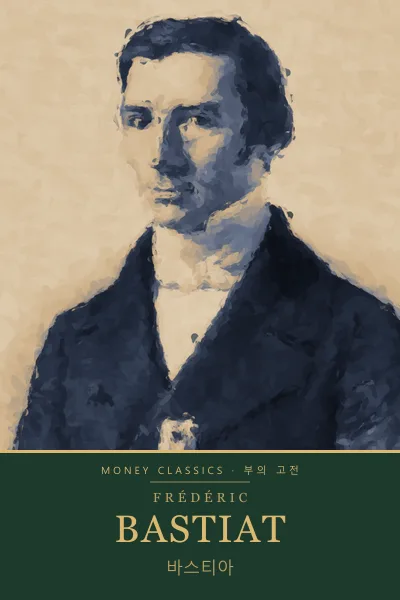
Frédéric Bastiat (1801–1850)
이야기
단어를 탭하면 번역돼요. 문장을 선택하면 형광펜을 칠하거나 학습 계획에 추가할 수 있어요.
In the 1840s, France was planning a railway from Paris to Madrid, and Bastiat found a strange suggestion in a newspaper from Bordeaux.The writer was worried about local jobs.
“Should the railway have a break at Bordeaux?The writer says yes, because if goods and passengers are forced to stop in the town, boatmen, porters, hotel keepers and others will earn money.Here the interest of the workers is clearly put before the interest of the travellers.
But if Bordeaux has a right to profit from a gap in the railway, then every other town along the line should demand a gap too.Angoulême, Poitiers, Tours, Orléans and all the small places between them would ask for breaks, all for the good of national industry.In this way we would have a railway made entirely of gaps, which we may call a Negative Railway.
The principle of trade barriers is exactly the same as the principle of gaps.Both sacrifice the consumer to the producer; in other words, they sacrifice the end to the means.”
The whole point of a railway is to make travel faster and cheaper, and Bastiat asks us to remember the point of the whole economy as well.
전체 번역먼저 이야기를 읽어 보고, 이해했는지 확인할 때만 열어 보세요.
1840년대 프랑스는 파리에서 마드리드까지 철도를 놓을 계획이었는데, 바스티아는 보르도의 한 신문에서 이상한 제안을 발견했어요. 글쓴이는 지역 일자리를 걱정하고 있었어요.
"철도가 보르도에서 끊겨야 할까요? 글쓴이는 그렇다고 말합니다. 화물과 승객이 어쩔 수 없이 이 도시에 멈추면 뱃사공과 짐꾼, 호텔 주인 같은 사람들이 돈을 벌 것이기 때문입니다. 여기서는 노동자의 이익이 여행자의 이익보다 분명히 앞에 놓여 있습니다.
하지만 보르도가 철도의 틈에서 이익을 볼 권리가 있다면, 노선을 따라 있는 다른 모든 도시도 틈을 요구해야 합니다. 앙굴렘, 푸아티에, 투르, 오를레앙, 그리고 그 사이의 작은 마을들까지 모두 나라 산업을 위해서라며 철도를 끊어 달라고 할 것입니다. 그러면 우리는 온통 틈으로만 이루어진 철도, 곧 '거꾸로 철도'를 갖게 될 것입니다.
무역 장벽의 원리는 틈의 원리와 똑같습니다. 둘 다 소비자를 생산자에게 희생시킵니다. 다시 말해 목적을 수단에 희생시키는 것입니다."
철도의 존재 이유는 여행을 더 빠르고 싸게 만드는 것이고, 바스티아는 경제 전체의 존재 이유도 기억하라고 말해요.
내 돈에 적용하면
바스티아의 교훈은 일은 수단이고, 목적은 그 일이 우리에게 주는 것, 곧 물건과 서비스와 시간이라는 거예요. 철도의 틈처럼 무언가를 일부러 불편하게 만들어서 생긴 일자리는 다른 모든 사람을 조금씩 가난하게 만들어요. 오늘날에도 아무도 필요 없는 추가 절차나 중간 상인, 서류 작업을 강요하는 규칙에서 '거꾸로 철도'를 찾아볼 수 있어요. 개인의 삶에서도 같은 질문이 도움이 돼요. 나는 원하는 목적에 돈을 쓰고 있을까, 아니면 수단에만 쓰고 있을까?
원문
이제 원문으로 읽어 보세요
방금 읽은 건 쉽게 다시 쓴 이야기예요. 이번엔 작가가 쓴 그대로의 원문을 줄이지 않고, 짧게 나눠서 읽어 보세요.
First Series, XVII. A Negative Railway · 308 단어 · 1 개의 짧은 읽기
원문 읽기이해도 확인
1. Where did the newspaper writer want the railway to have a break?
2. Why did the writer want a break there?
3. What would happen if every town demanded the same thing?
4. According to Bastiat, what do trade barriers and gaps both do?
5. In Bastiat's argument, what is the 'end' and what is the 'means'?
핵심 단어
noun
railway
철도
The new railway links the two cities.
새 철도가 두 도시를 이어 줘요.
한줄 요약
In 1–2 sentences, explain what a 'negative railway' is and what it teaches about jobs.
출처: Adapted from the essay "A Negative Railway" of Frédéric Bastiat's "Economic Sophisms" (1845–1848), in Patrick James Stirling's 1873 English translation (long in the public domain, Project Gutenberg #44145). This simplified version, the explainer and the Korean translation are original text written for SeoJae Story.
이 책의 이야기
책 소개 →Economic Sophisms · 3편 중 0편 읽음
지금까지 준비된 이야기를 모두 읽었어요. 새로운 챕터가 곧 추가돼요.
북클럽과 함께 읽기
이 챕터를 북클럽과 공유하고 함께 이야기 나눠요.